
1. Plastic Surgery Popularity
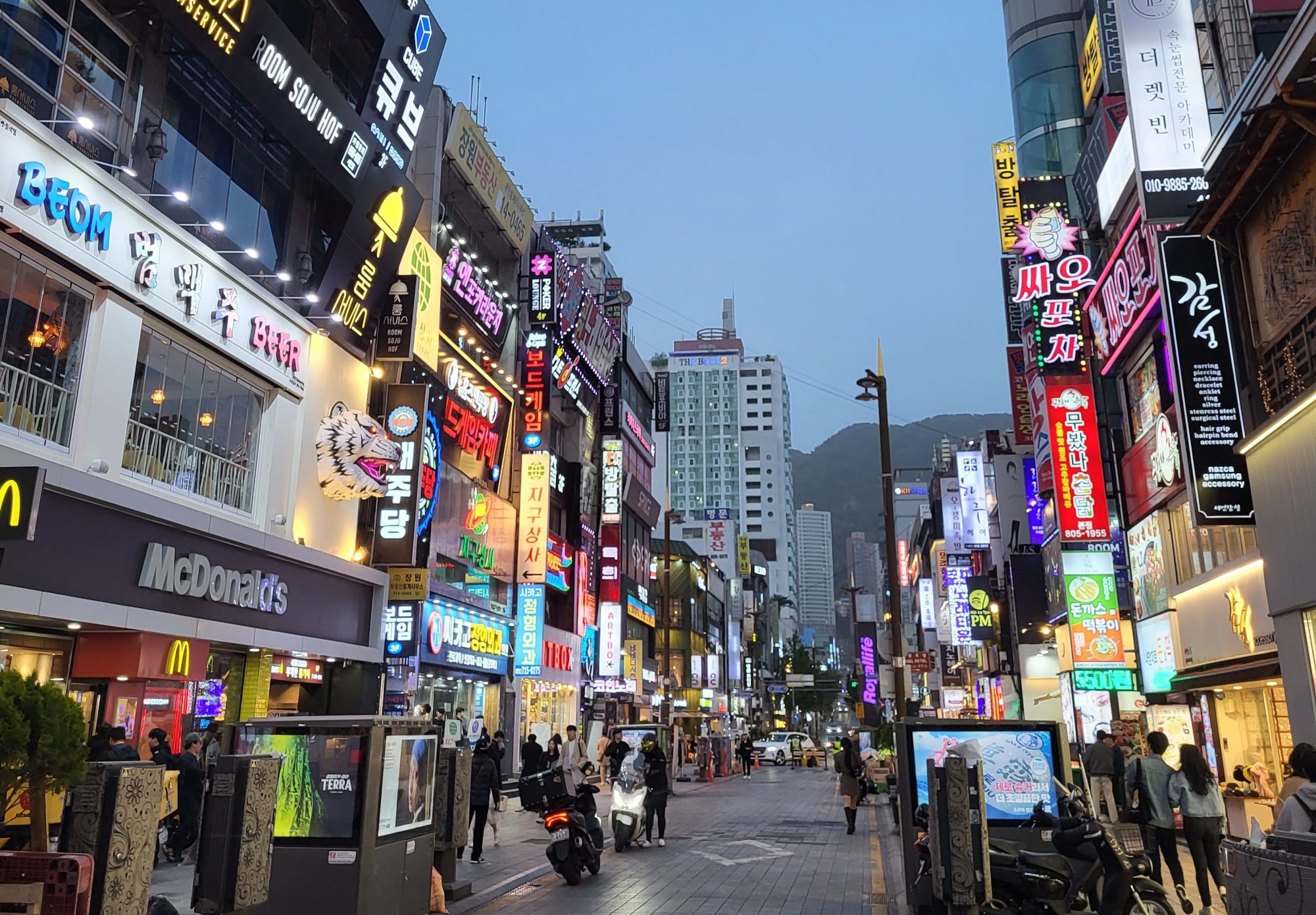
Plastic surgery is highly popular in South Korea, especially among young people who often choose to undergo procedures before entering university. In many cases, parents encourage and financially support these surgeries. Women are the most common recipients, with eye, nose, and chin surgeries being particularly popular as they aim to achieve looks popularized by celebrities.
2. Free Wi-Fi and High-Speed Internet
South Korea boasts some of the fastest internet speeds in the world. Connectivity issues are rare, and visitors are often surprised by the extensive availability of free Wi-Fi across cities. For a truly high-speed experience, try visiting an internet café (PC bang) in Seoul.
3. Gaming & Karaoke Culture
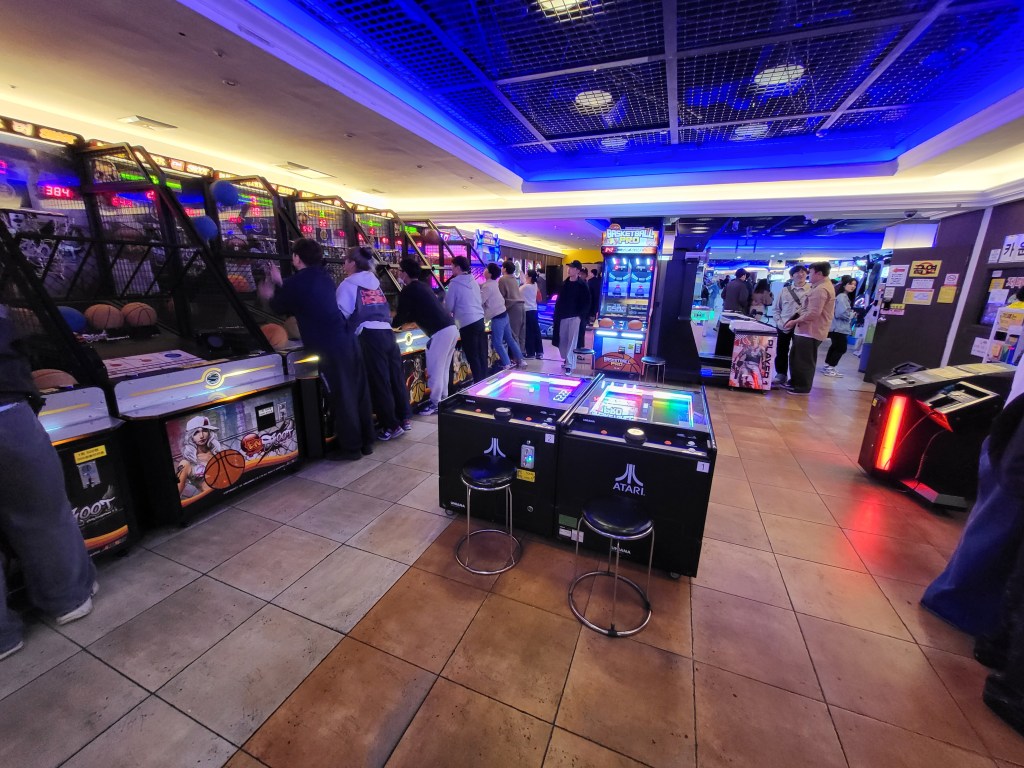
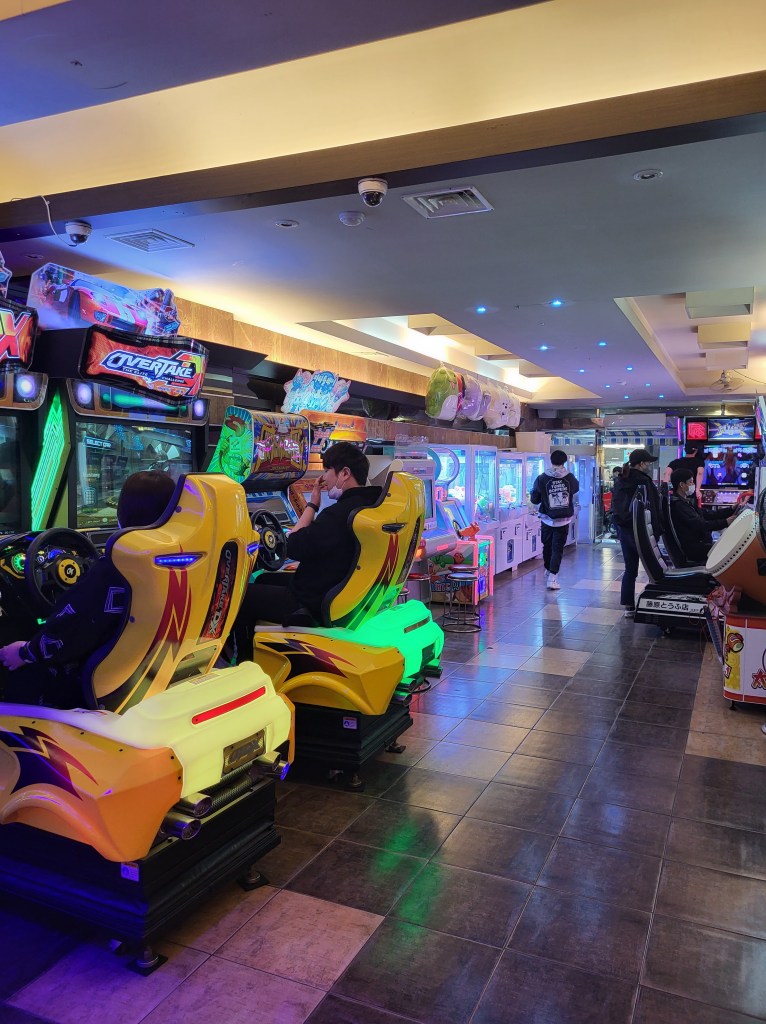
Korea is a hub for gaming and eSports, with PC bangs (computer gaming rooms) as common as bakeries are in Europe. South Koreans are renowned for their gaming skills, and eSports events, such as those held on Busan’s Gwangalli Beach, draw huge crowds. We visited an entire building dedicated to mechanical and electronic games (not just PCs), and it was stunning. I have to admit, it’s not hard at all to get hooked when you have a multitude of games. The basement was specifically designed for karaoke, but we were surprised to find many booths for just one or two people. We wondered what the point of karaoke was in such small spaces, but it seems to make sense to them.
4. Facial Hair Perceptions
In Korea, facial hair is often viewed as a sign that a person is unclean, poor, or unconcerned with their appearance. This cultural perspective contrasts with historical depictions of long-bearded figures in Korean history books. Today, beards are generally considered unkempt, regardless of grooming, and can even be a detriment in the job market.
5. Korean Age System
In Korea, a unique age calculation system is used. At birth, everyone is considered one year old, and every New Year’s Day, everyone collectively gains another year. This means that in Korean age, people can be one or even two years older than in the international age system.
6. Dog Strollers
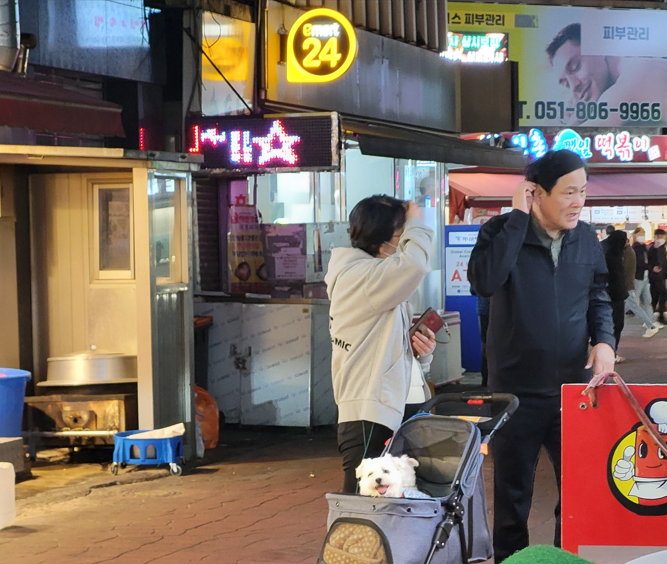
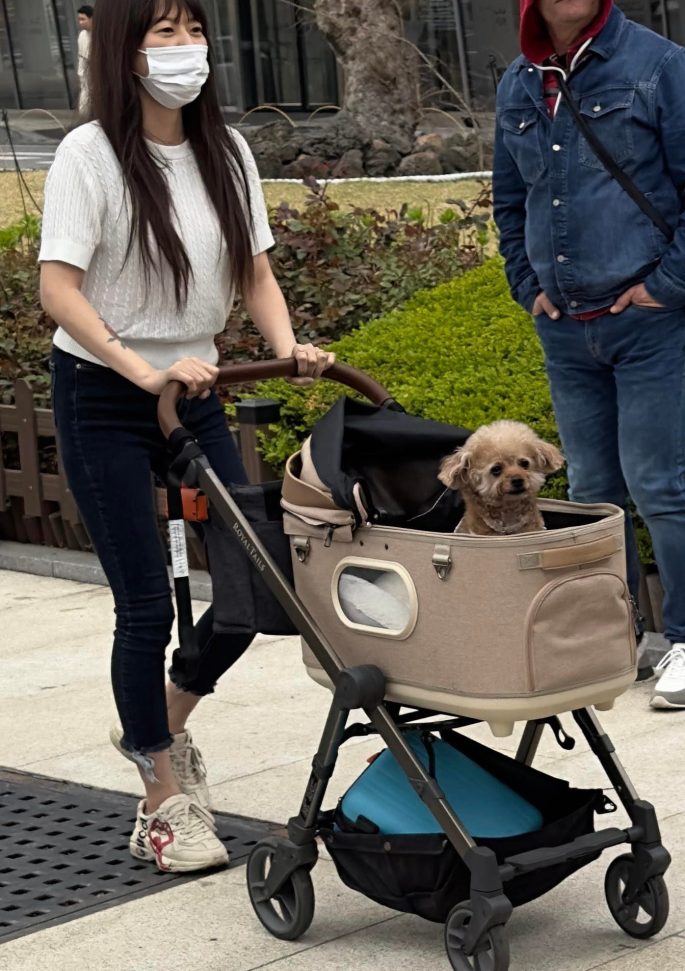
In South Korea, it’s common to see people pushing their dogs in strollers. While some use strollers designed for children, dog-specific strollers are also available. Although this trend may seem excessive, especially when dogs could walk on their own, many owners enjoy pampering their pets. Korea also has a thriving market for dog clothing and accessories; some furniture stores even offer dog outfits that match their furniture collections, so your dog can blend seamlessly with your decor!

7. Low Body Odor Prevalence
According to a 2013 LiveScience article, the gene ABCC11 determines whether a person has body odor. Most Koreans lack this gene, meaning they produce dry earwax and have little or no body odor. In contrast, only about 2% of Europeans lack the body odor gene. This genetic difference explains why deodorants are less common in Korea.
8. Long Work Hours & Unemployment Stigma
In South Korea, the standard 40-hour workweek of the eastern world is rare; South Koreans typically work an average of 55 hours per week. When a person loses their job and applies for unemployment benefits, they often face judgment. As a result, many people avoid applying due to the social stigma, preferring to struggle rather than seek assistance
9. Beach experience
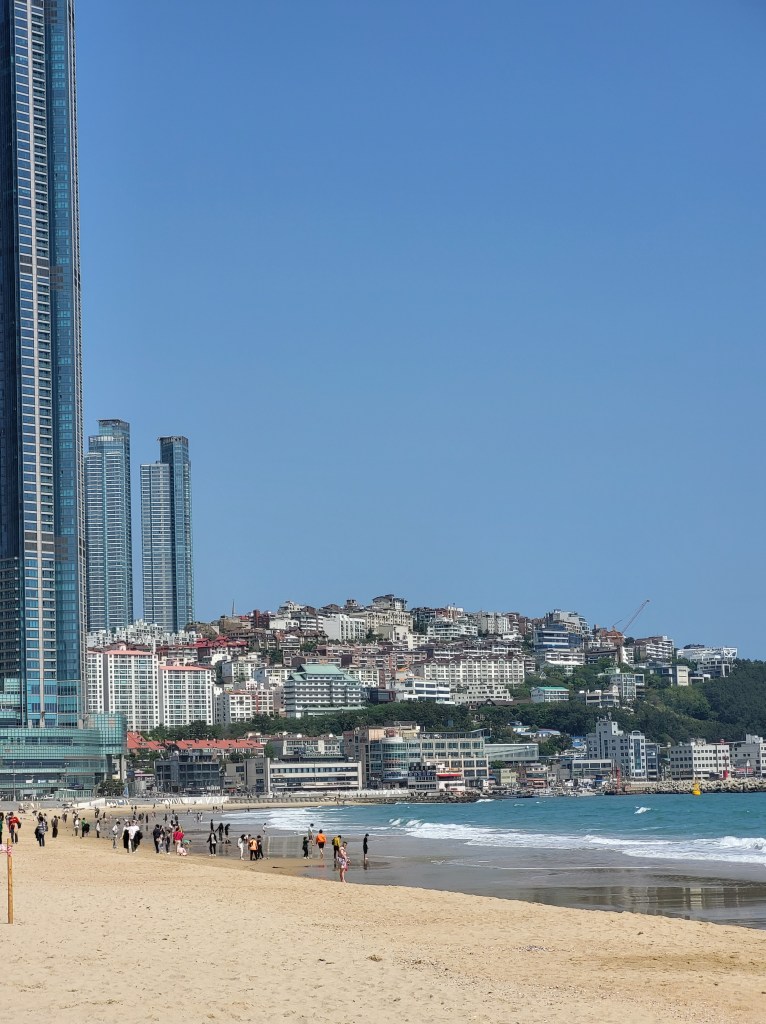
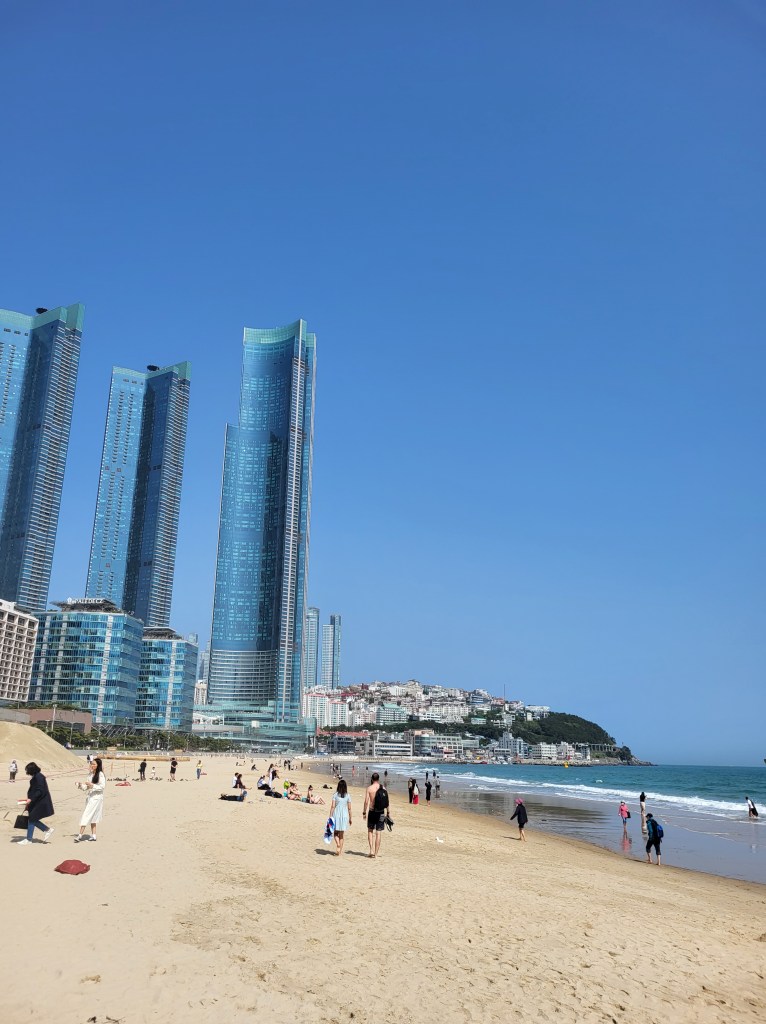
In a stunning location with skyscrapers overlooking a wide, expansive beach, on a sunny and warm day, there was absolutely no one swimming. We went to the local tourist information and asked if we were allowed to swim, as it felt very unusual that no one else was doing so. The staff at the counter seemed a bit surprised and explained that swimming was allowed, but warned that someone might call the police, assuming they were attempting to commit suicide. While this was surprising to hear, our friends decided to go for a swim anyway.

10. Few Public Trash Bins
In Seoul, a unique waste disposal system requires residents to buy special, pricier bags for trash. To discourage people from bypassing this system by using public trash cans, Seoul removed 3,900 public bins by 2007.
11. Spitting in Public
If you visit South Korea, especially in winter, you may notice people spitting in public, which is culturally more accepted than blowing one’s nose. Many locals find this an easier way to clear congestion from cold weather, although it can be surprising to visitors unfamiliar with the practice.
12. Suicide Rates and Economic Difficulties
South Korea has one of the highest suicide rates in the world, currently standing at 25-30 per 100,000 inhabitants. The reasons behind these rates are complex, but one of the most significant factors is economic difficulty. This may come as a surprise, given the country’s high standard of living, advanced infrastructure, and technological prowess. However, many South Koreans struggle with the burden of high mortgages, particularly for very cramped, or even minuscule, apartments.
13. Clubs (or no clubs)
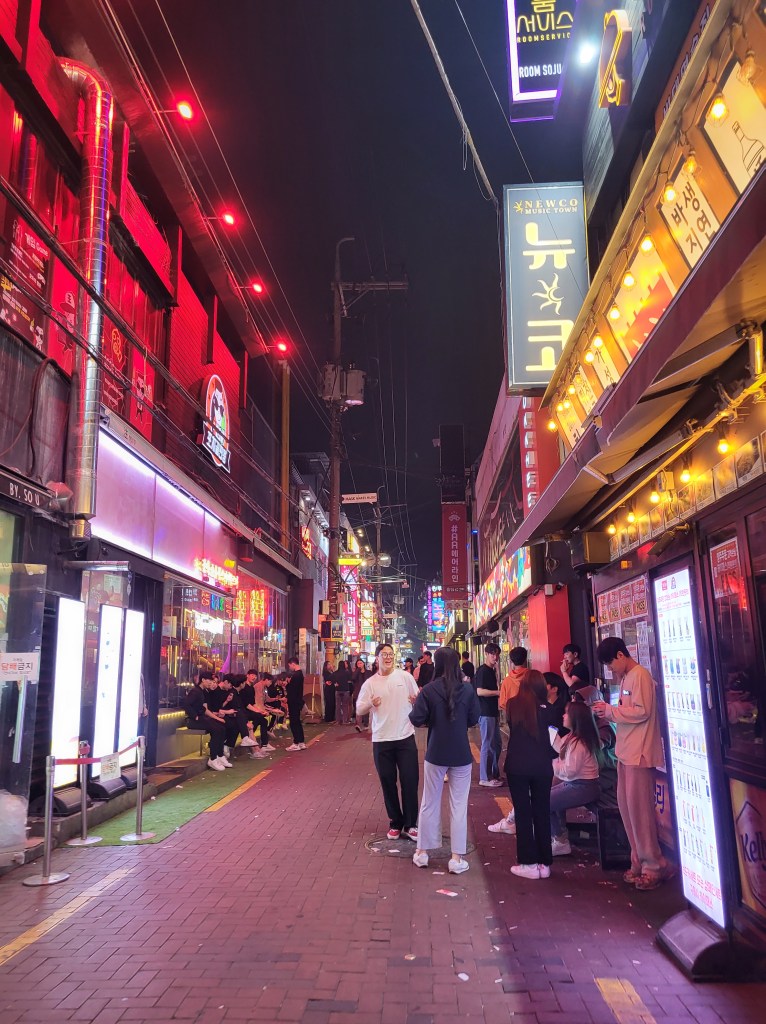
Curious to experience the nightlife in cities other than Seoul, we wandered into a busy area in Busan. However, each of us was rejected from several clubs, even though we split up and tried different places. Later, we learned that the reasons behind this vary, but in general, we understood it was to avoid conflicts between locals and foreigners due to cultural differences. Moreover, locals may feel uncomfortable when Korean women show interest in foreign visitors (tourists), so clubs prefer to avoid potential scandals.
14. Koreans and alcohol
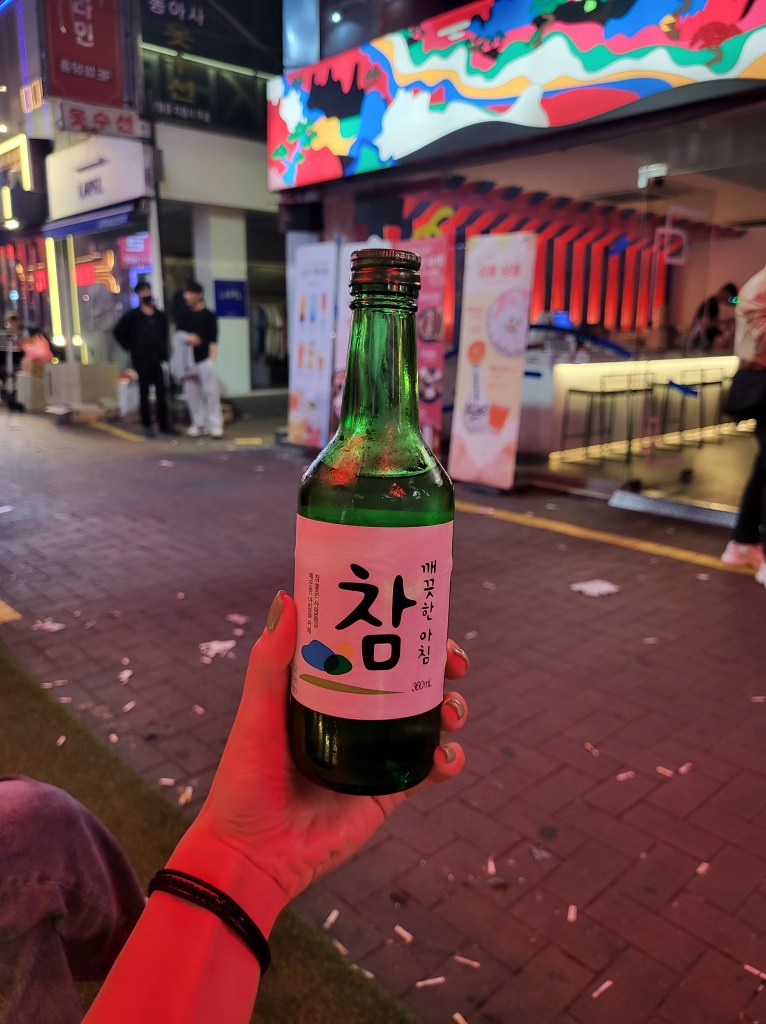
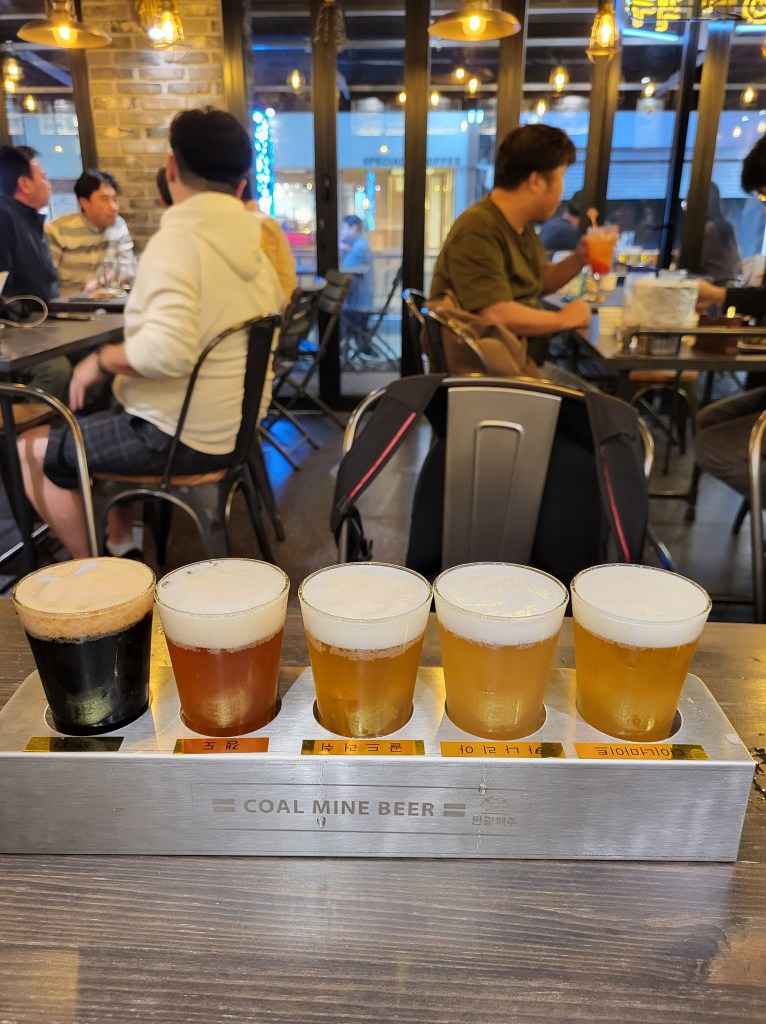
The idea that Koreans have a “low tolerance” for alcohol is often influenced by cultural and genetic factors. Many Koreans have a genetic variation that makes it harder for their bodies to metabolize alcohol, causing stronger effects like facial flushing and nausea. Additionally, Korea has a strong social drinking culture, where alcohol consumption is frequent and often involves drinking games that can lead to rapid intoxication. This can create the impression of low tolerance, but it’s more about social pressure and the dynamics of drinking rather than individual limits. Koreans may feel the effects of alcohol more quickly, but it doesn’t necessarily mean they can’t drink large amounts in social settings.
15. Kimchi
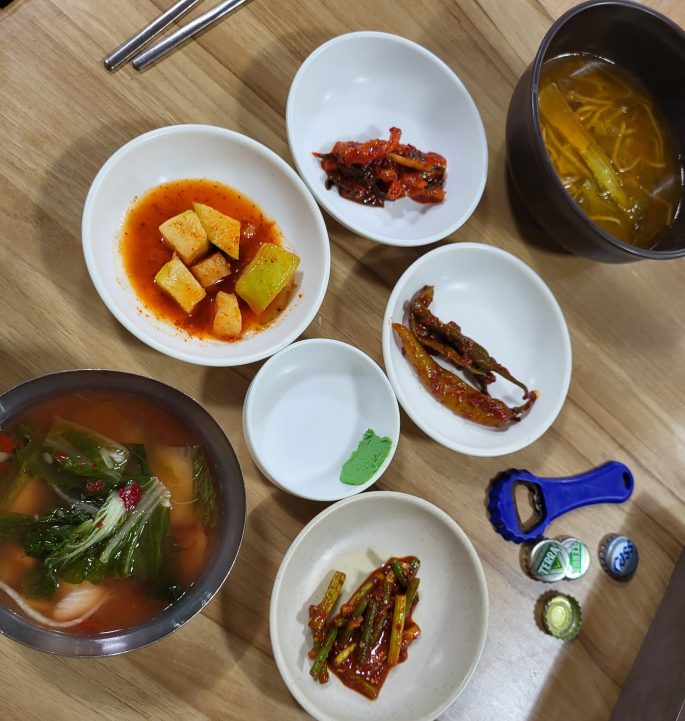
The country has over 150 distinct types of this beloved dish. Kimchi, which is fermented vegetables usually cabbage or radish—seasoned with chili pepper, garlic, ginger, and other spices, is a staple of Korean cuisine and has a deep cultural significance. The variety in kimchi comes from regional differences, seasonal variations, and personal preferences in terms of ingredients and preparation methods. Kimchi is often served as an appetizer or side dish, accompanying most meals being considered a key element of Korean cuisine.

 TRAVEL JAR