I have to admit I fell in love with Morocco long before actually going there due to a soap opera I was watching ages ago, El Clon.
Marrakech
This was our first contact with the North-West African world and we were very excited. A first glimpse into what we were about to experience was the traffic which was hectic. People kept changing lanes without looking or using the signal lights, instead they were using the car horn to let others know what their position was.
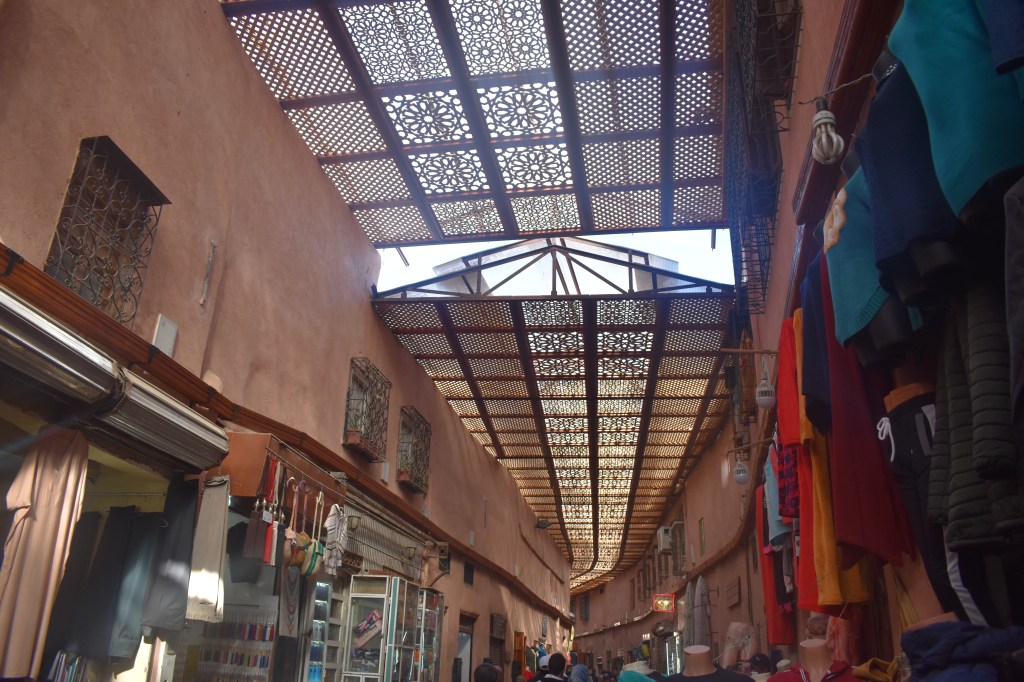
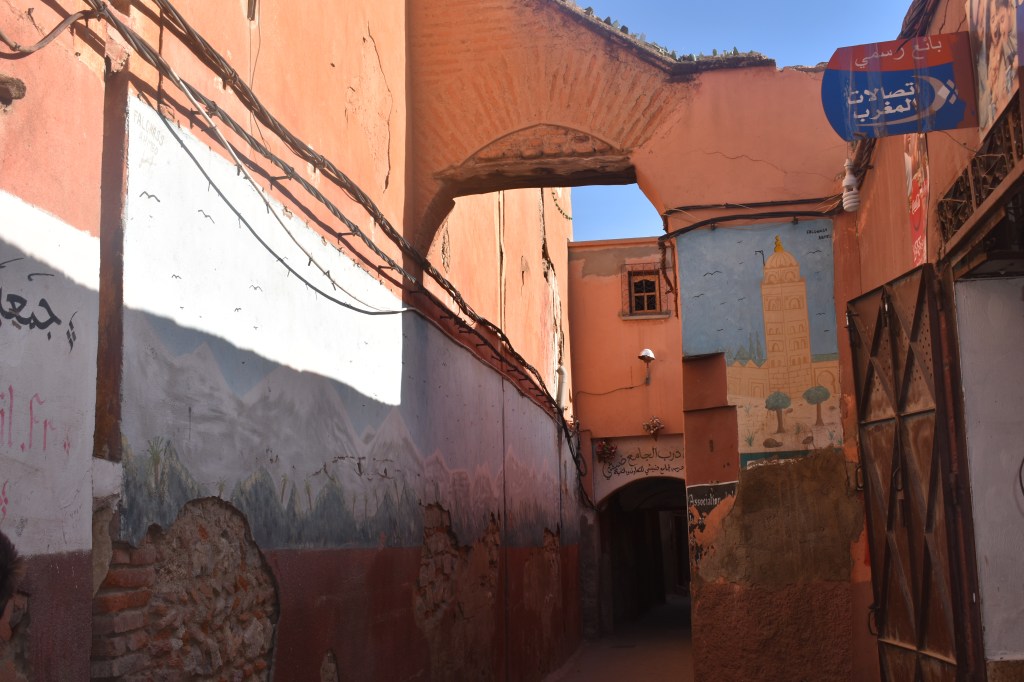
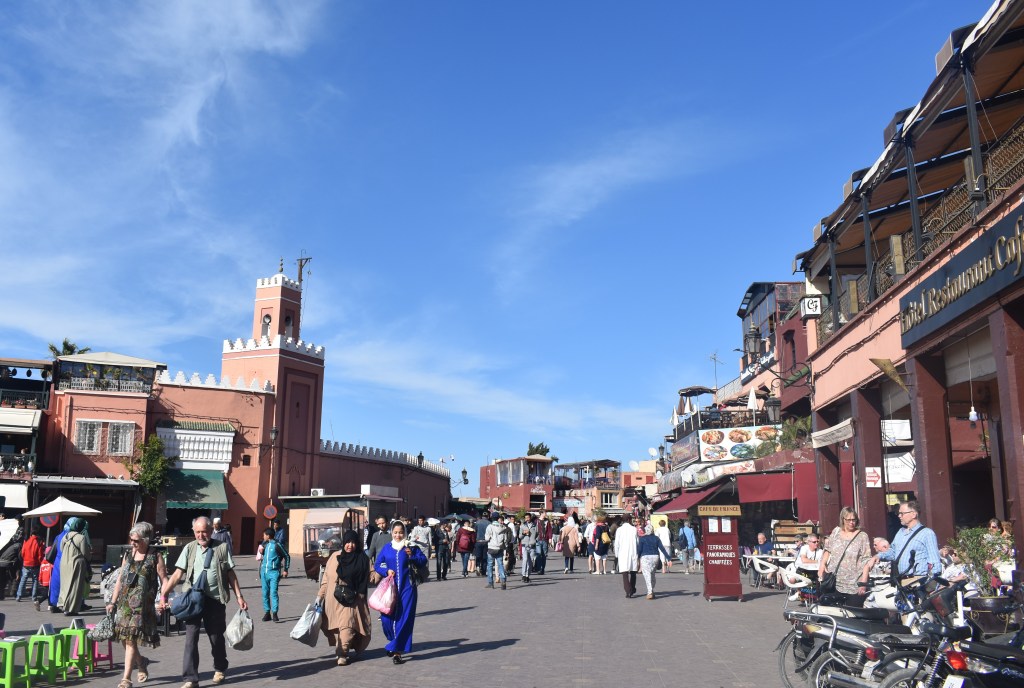
After reaching the main square we were hassled from every side by all kinds of merchants, henna artists and restaurant hostesses. We finally gave up to one of the unofficial guides that were offering their “GPS” services in the maze-like Medina. It took two hours to reach our accommodation and that was only because we tipped some of the locals to guide us there. A guy put his child on his shoulders so we could see him as a reference and instructed us to follow him some 10-20 meters behind him. This is because the only people allowed to perform guiding or provide directions must be authorized. Anyone else performing the same tasks as official guides would be prosecuted and serve jail time.
Having finally reached the riad which we booked in advance, we were in for another shock as our booking was no longer valid. It seemed that the riad owner had sold the business and failed to inform the tourists or the new owners about previous bookings. Thankfully, all of us could stay there even though the prices had doubled. Medina has its own chaotic charm and I am glad I experienced this.
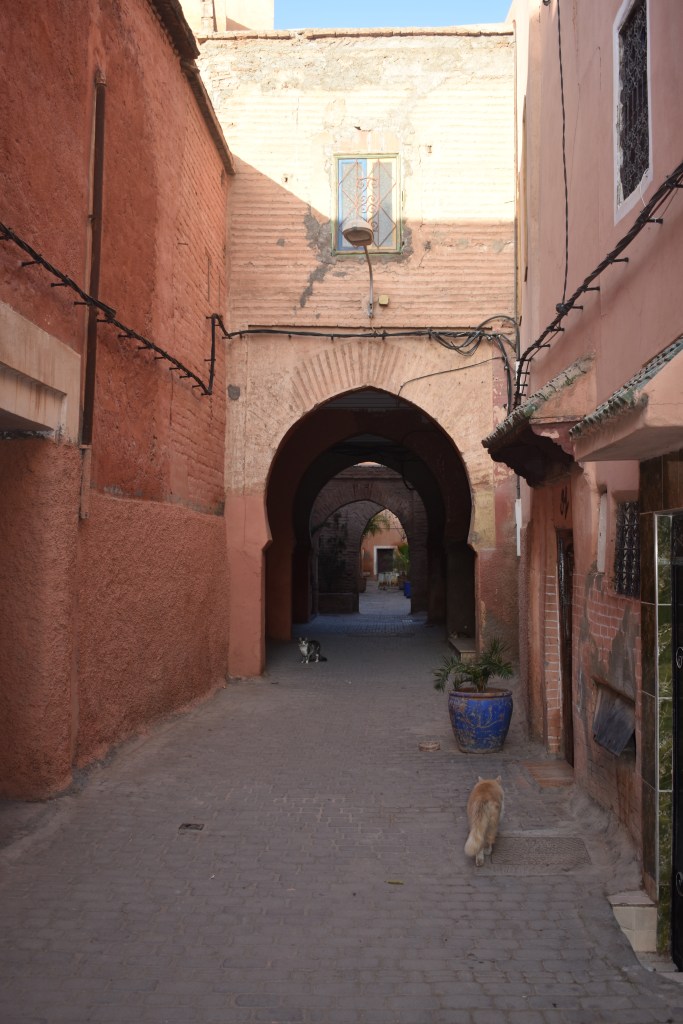
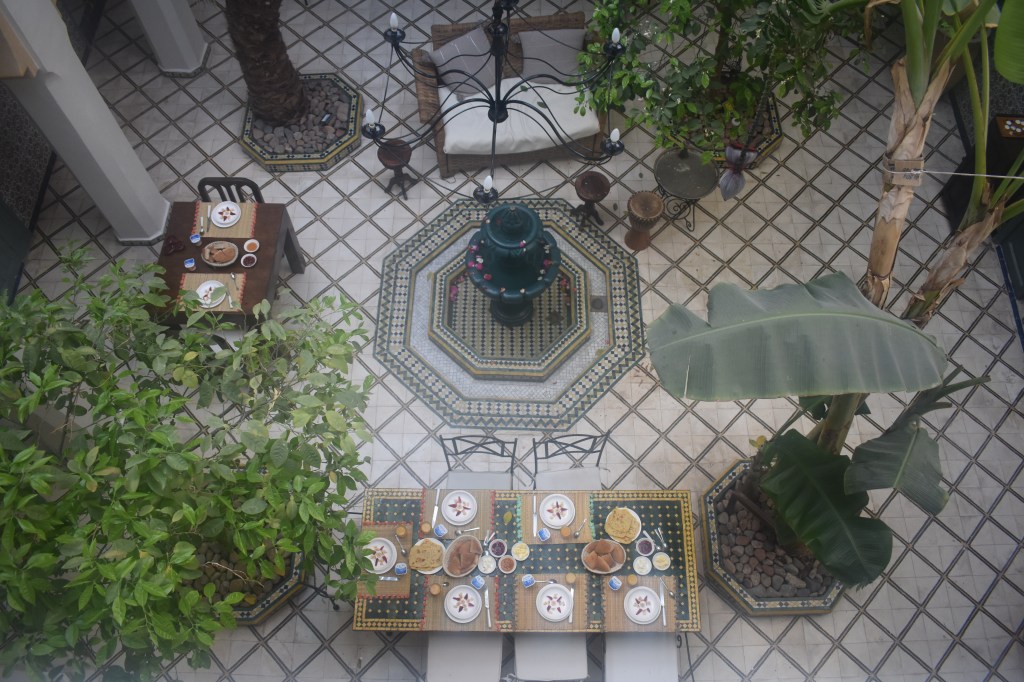
Even if on the medina streets there is a lot of dirt and houses look like they are about to collapse, the interiors look amazing. There are lots of riads (interior patio, yard or garden) – the Moroccan traditional house usually with two or more stories surrounding an Andalusian-style courtyard that includes a fountain. Some also include different trees: banana, orange, lemon or palm trees are only a few of them. Everything in the Moroccan-style interior design is rustic, but made with clear attention to details.

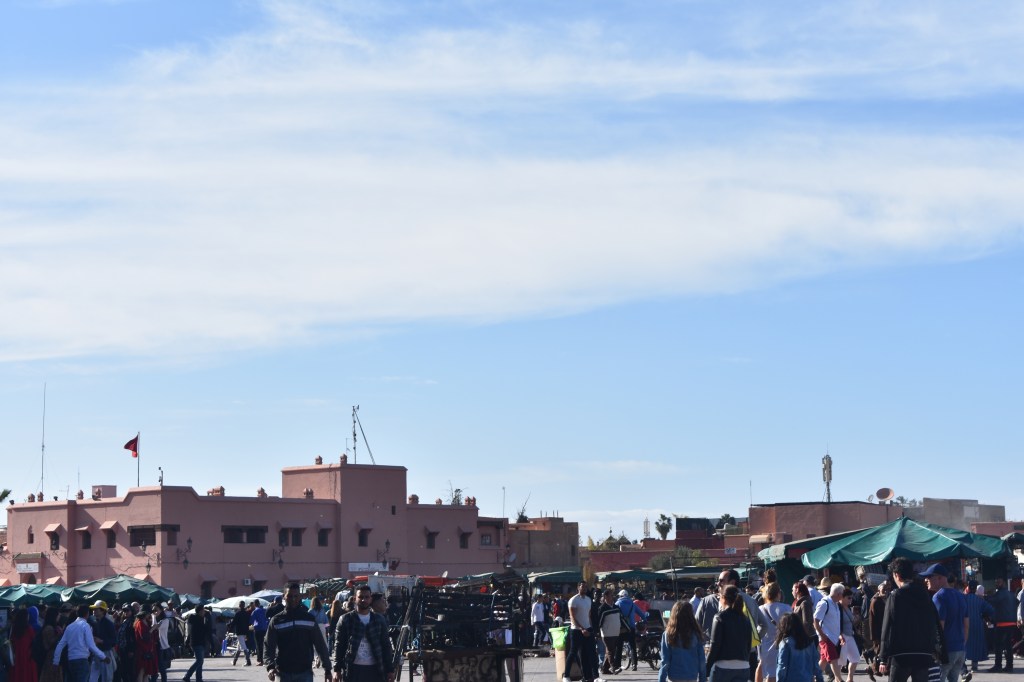
Main Marrakech attractions we visited are Jardin Majorelle, Bahia Palace, Yves Saint Laurent Museum, Koutoubia Mosque and Jemaa el-Fnaa. A must mention for the last objective, the central square, beware of women grabbing your hands either to put a bracelet on your wrist or to draw henna tattoos and then asking for money.
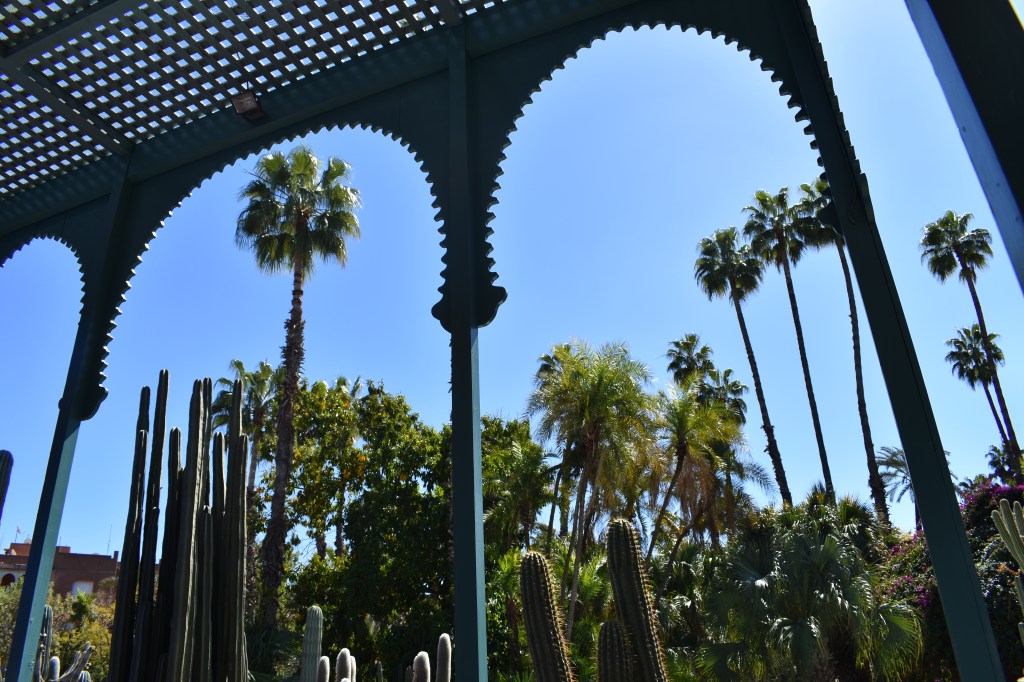
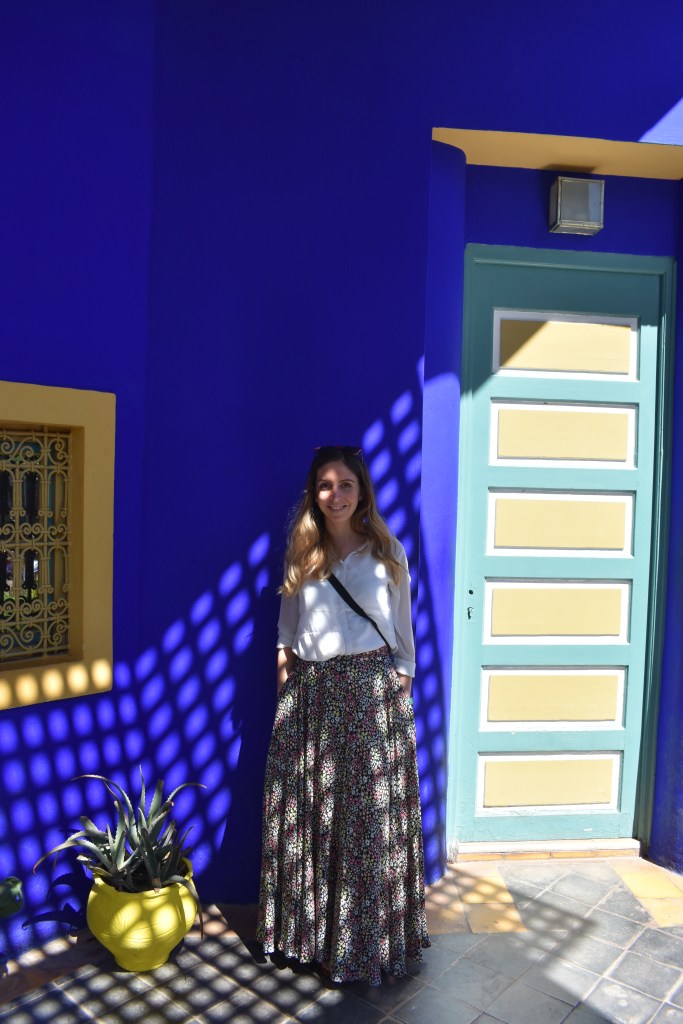
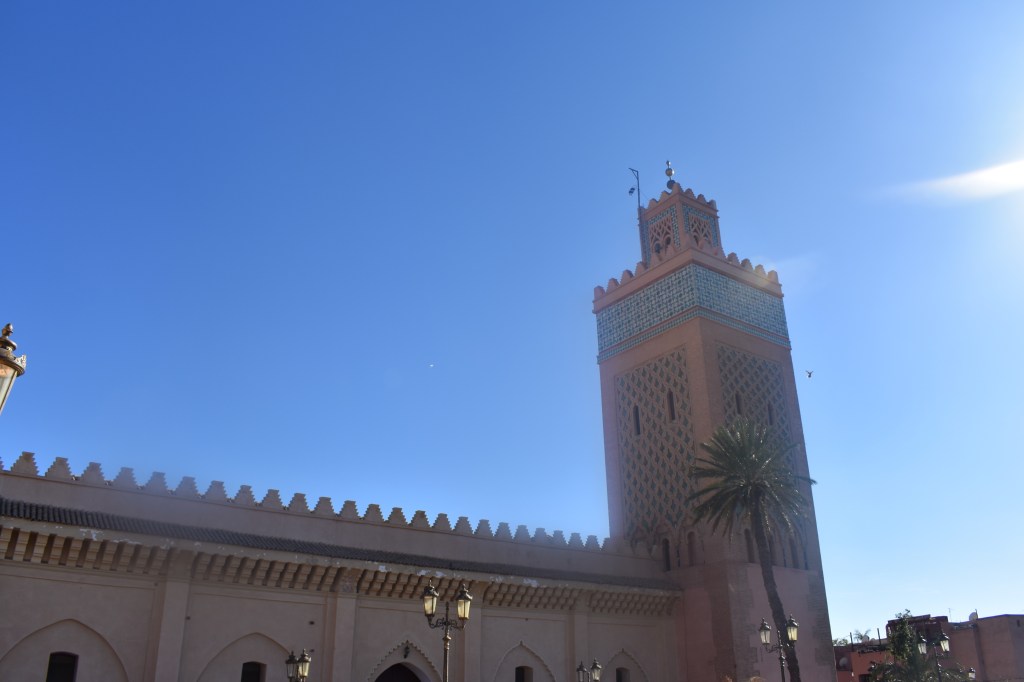
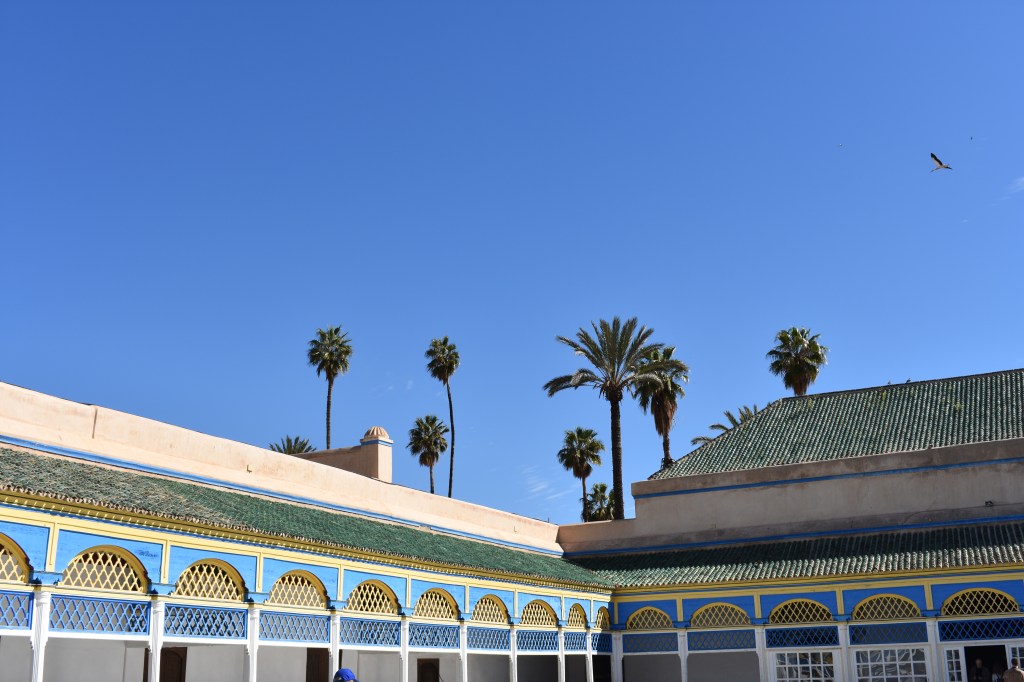
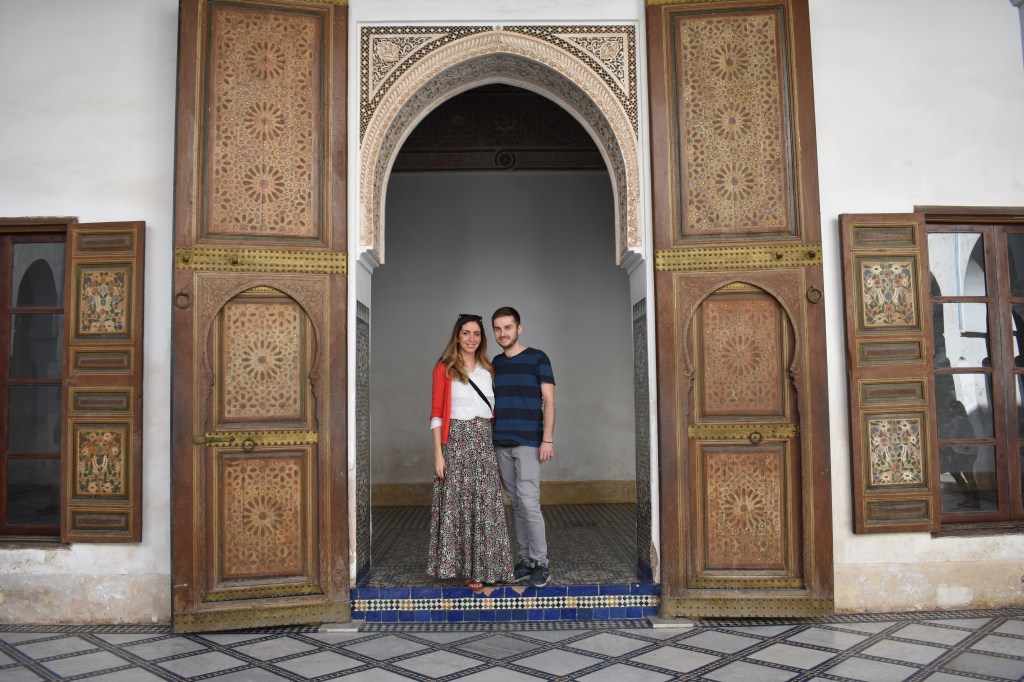
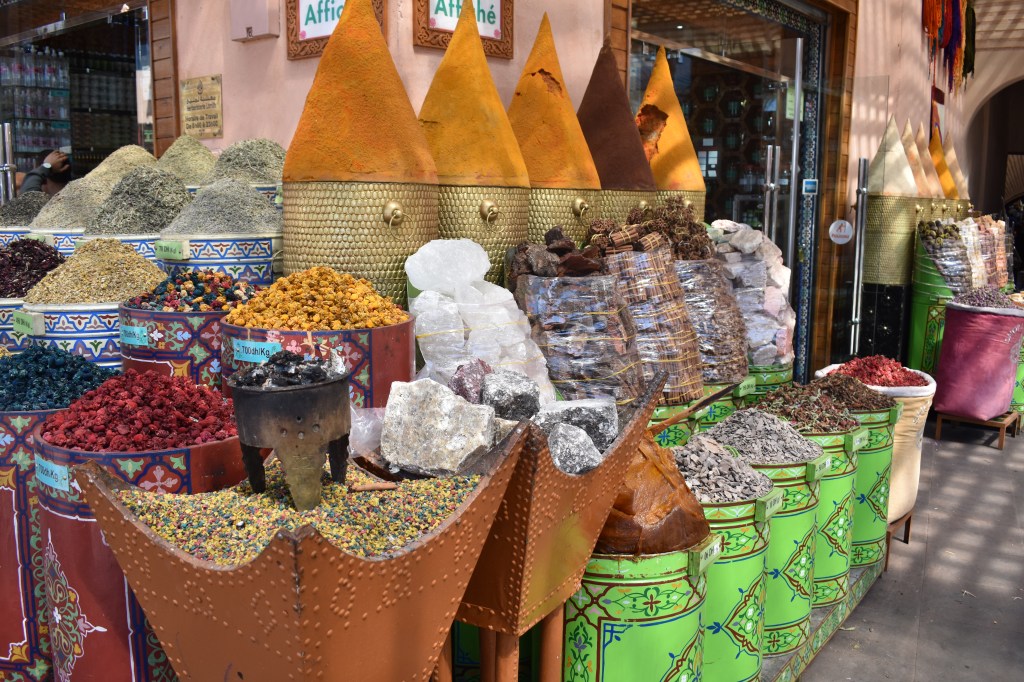
For the rest of our journey, we were about to discover what our host had previously told us: Marrakech isn’t Morocco and Morocco isn’t Marrakech.
On the road…
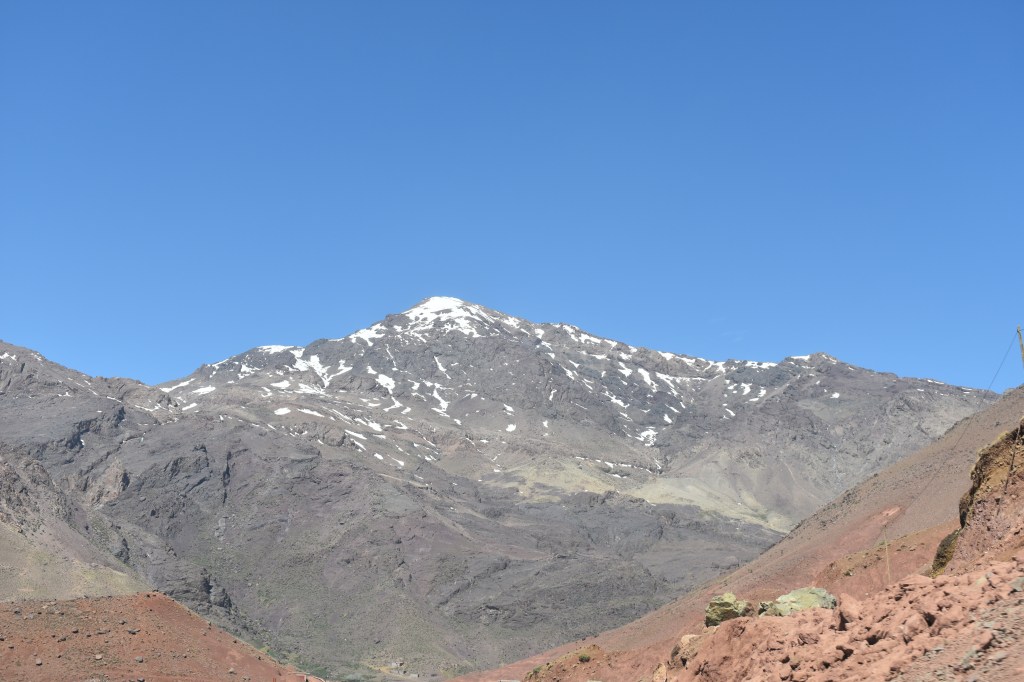
Leaving ‘big city life’ behind, we embarked on a spectacular road towards the desert. In order to reach it we first had to go through a mountain pass in the Atlas Mountains where the road altitude was 2200 meters high.
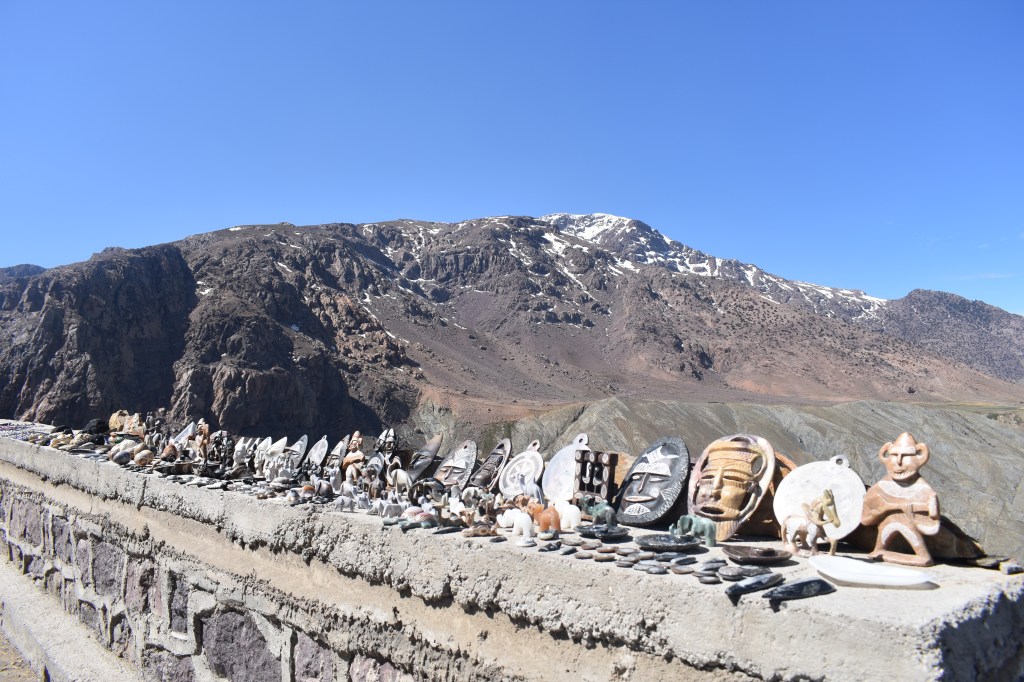
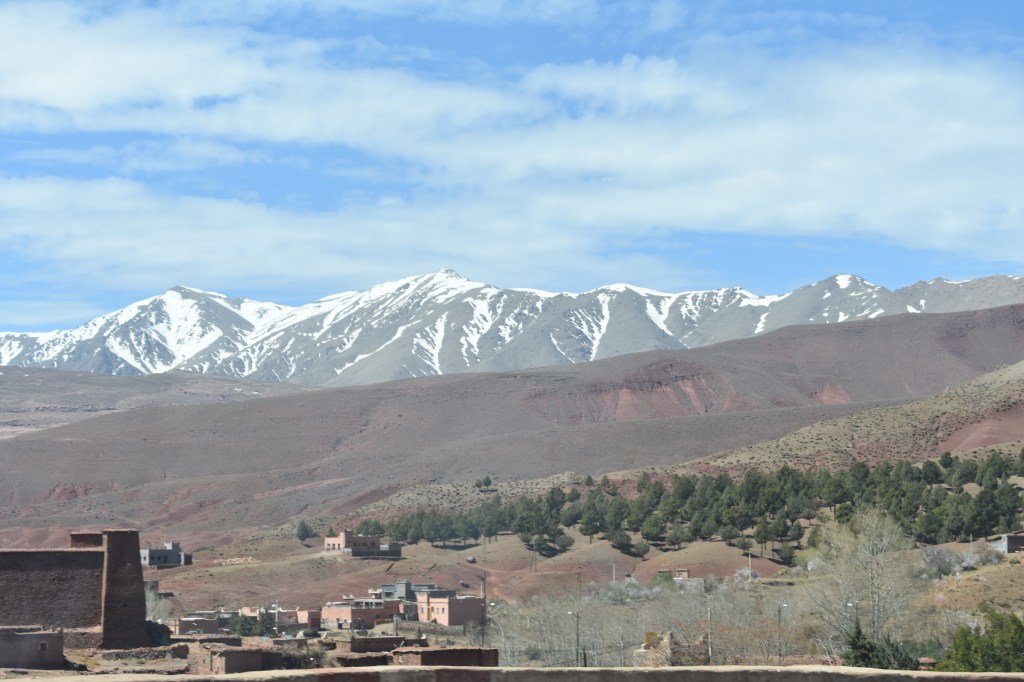
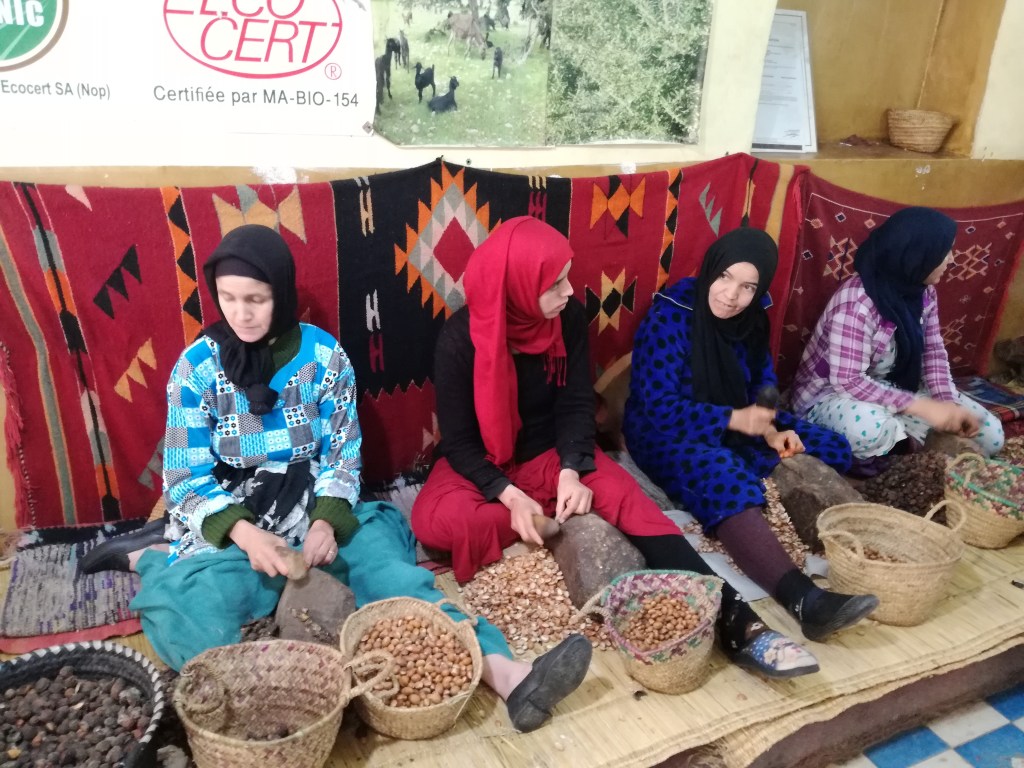
After we crossed the Atlas mountains, we stopped to learn how argan oil is made. Argan oil is produced from the kernels of the argan fruit and it is famous for the cosmetic benefits. The visit started with a short demonstration of how the oil is extracted from the argan fruit. This process is done by hand, mainly by Berber women.
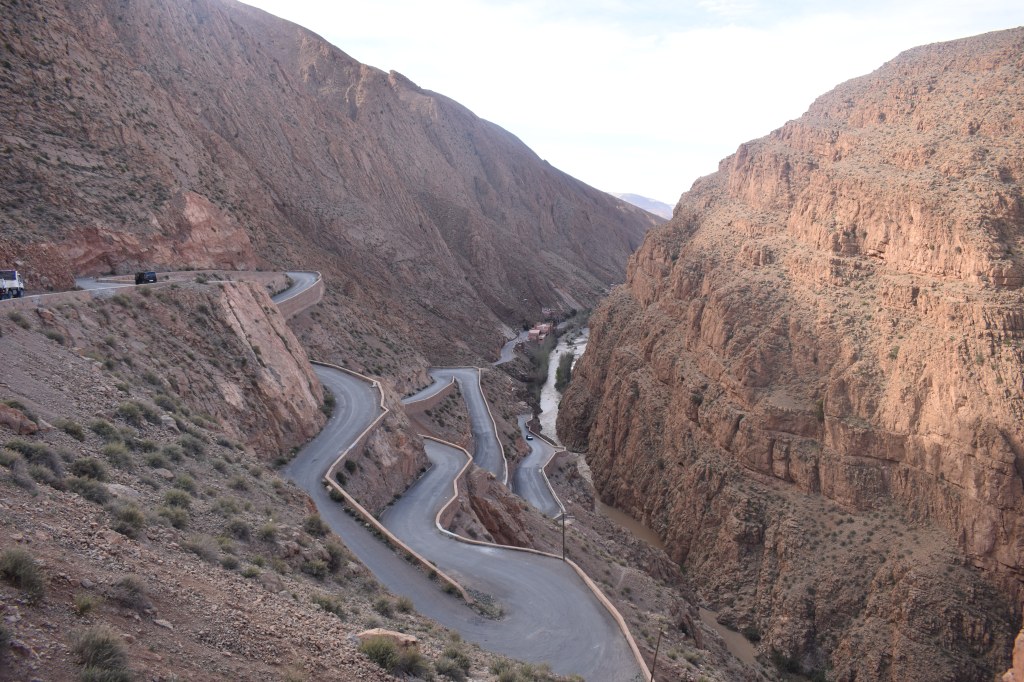
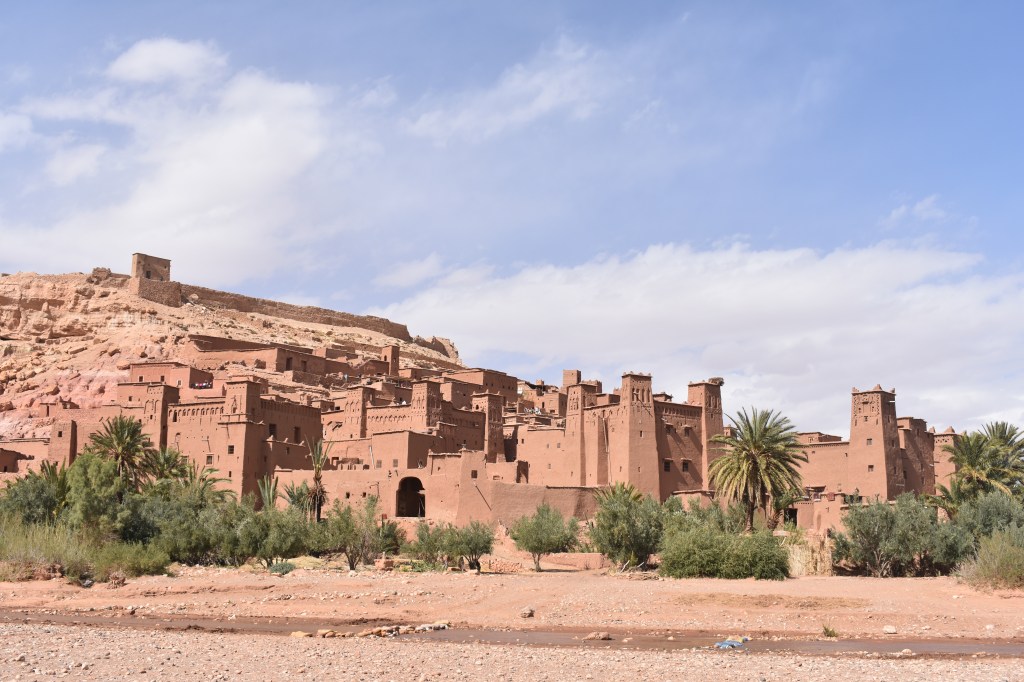
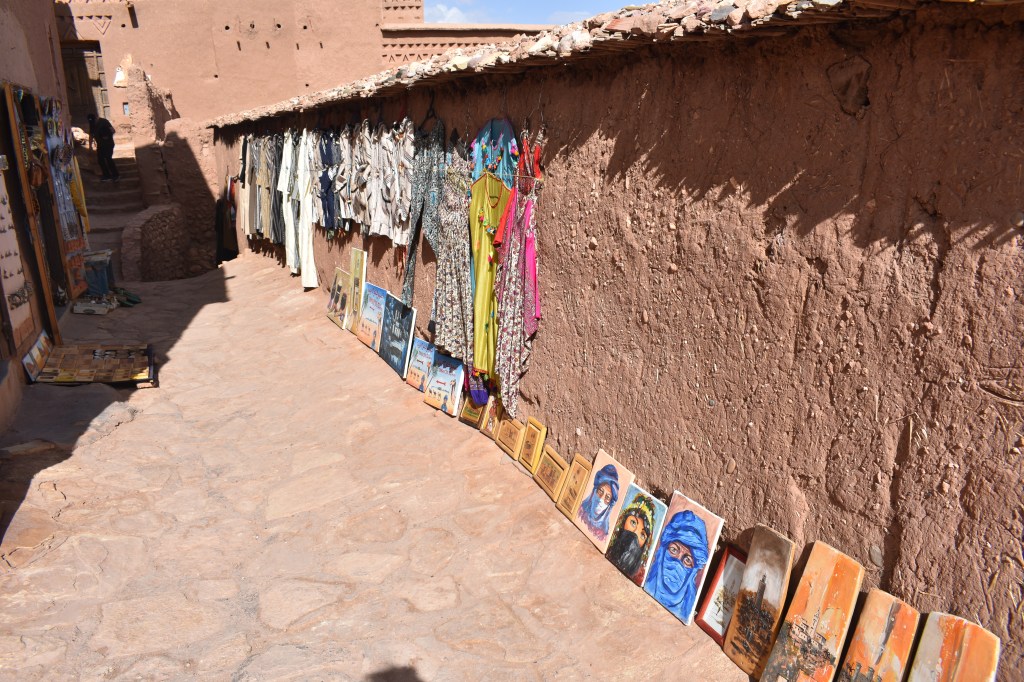
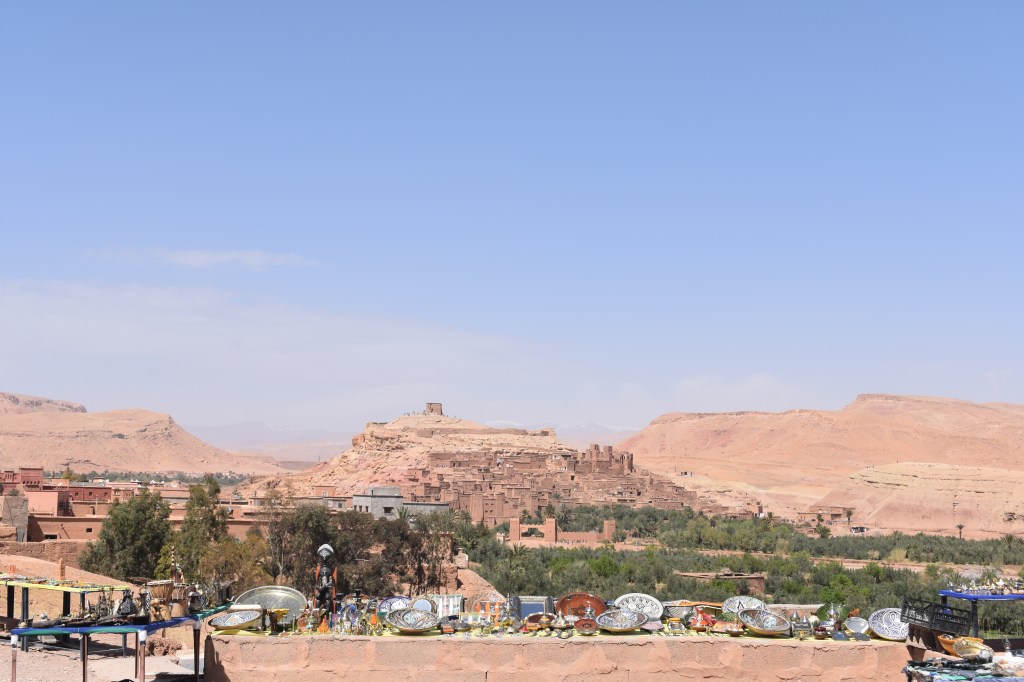
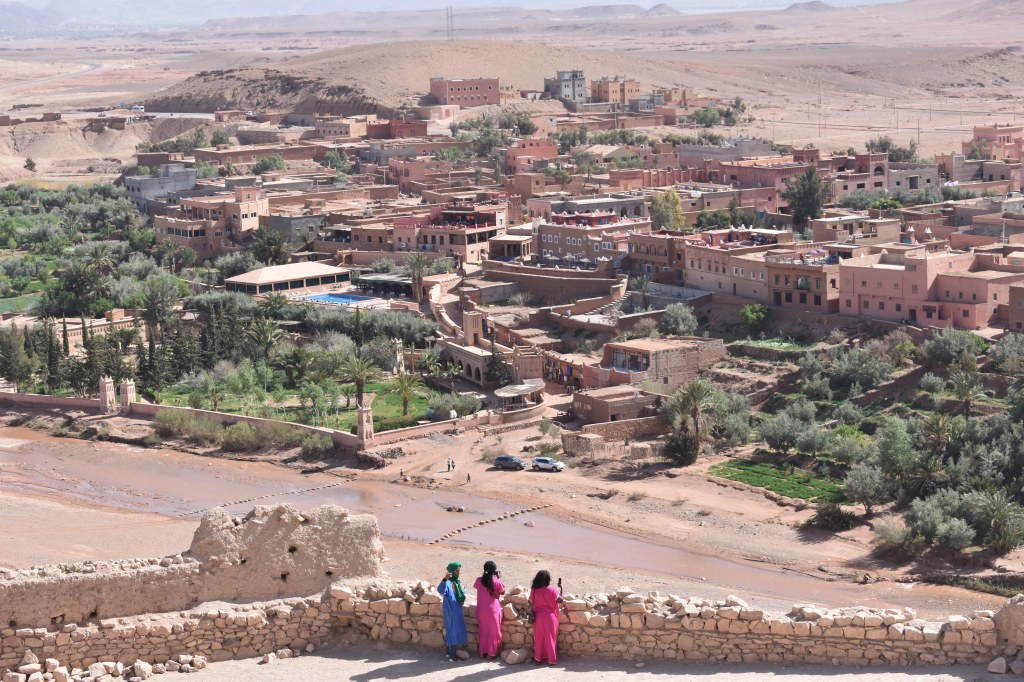
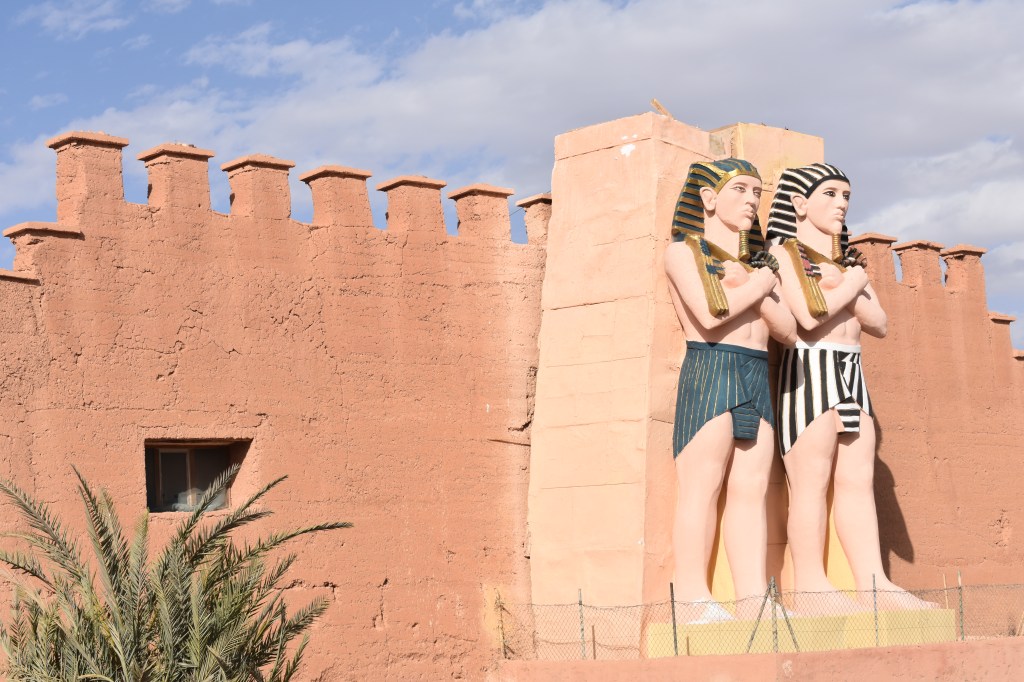
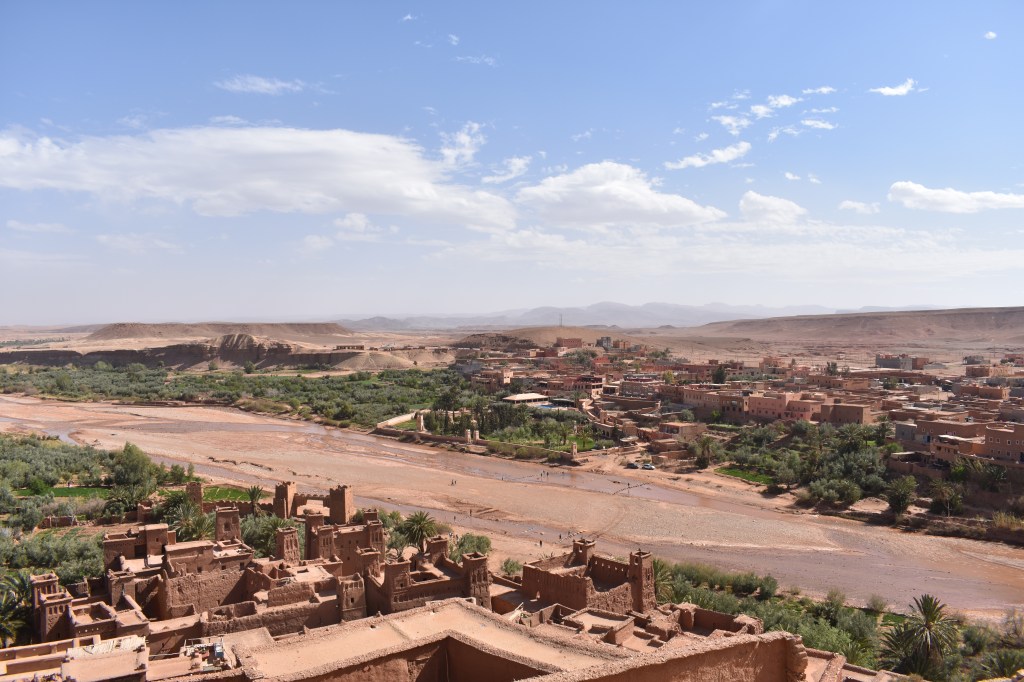
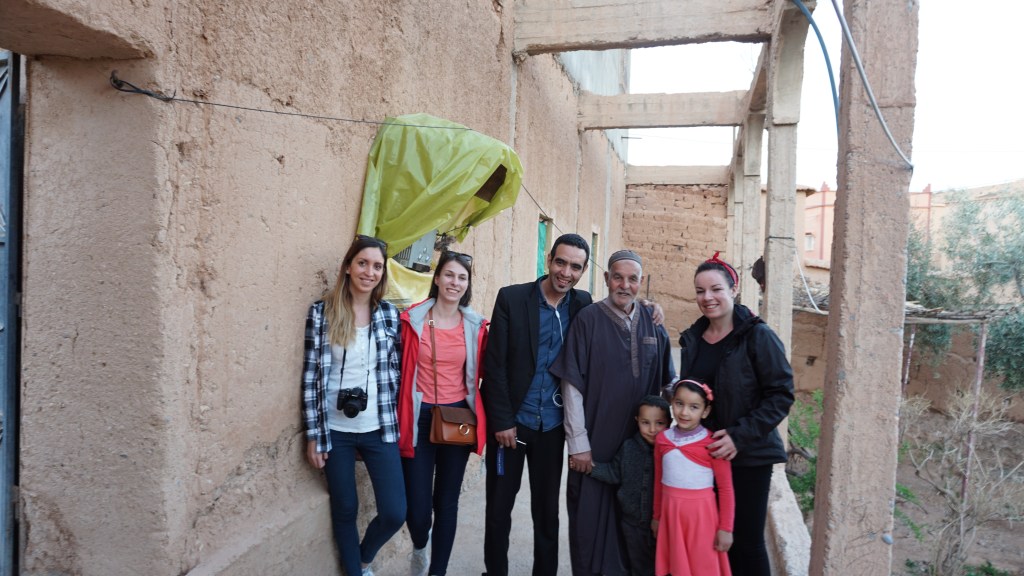
Some of the main attractions that we visited during our trip to desert include Todra Gorge and Aït Benhaddou which is a ksar (fortified village) where lots of famous movies were shot such as The Mummy, Prince of Persia and so on. We also visited our guide’s family who were very welcoming and got a chance to find out more about their day to day life. We spent the night in Dades Valley and woke up to a stunning view.



The Desert
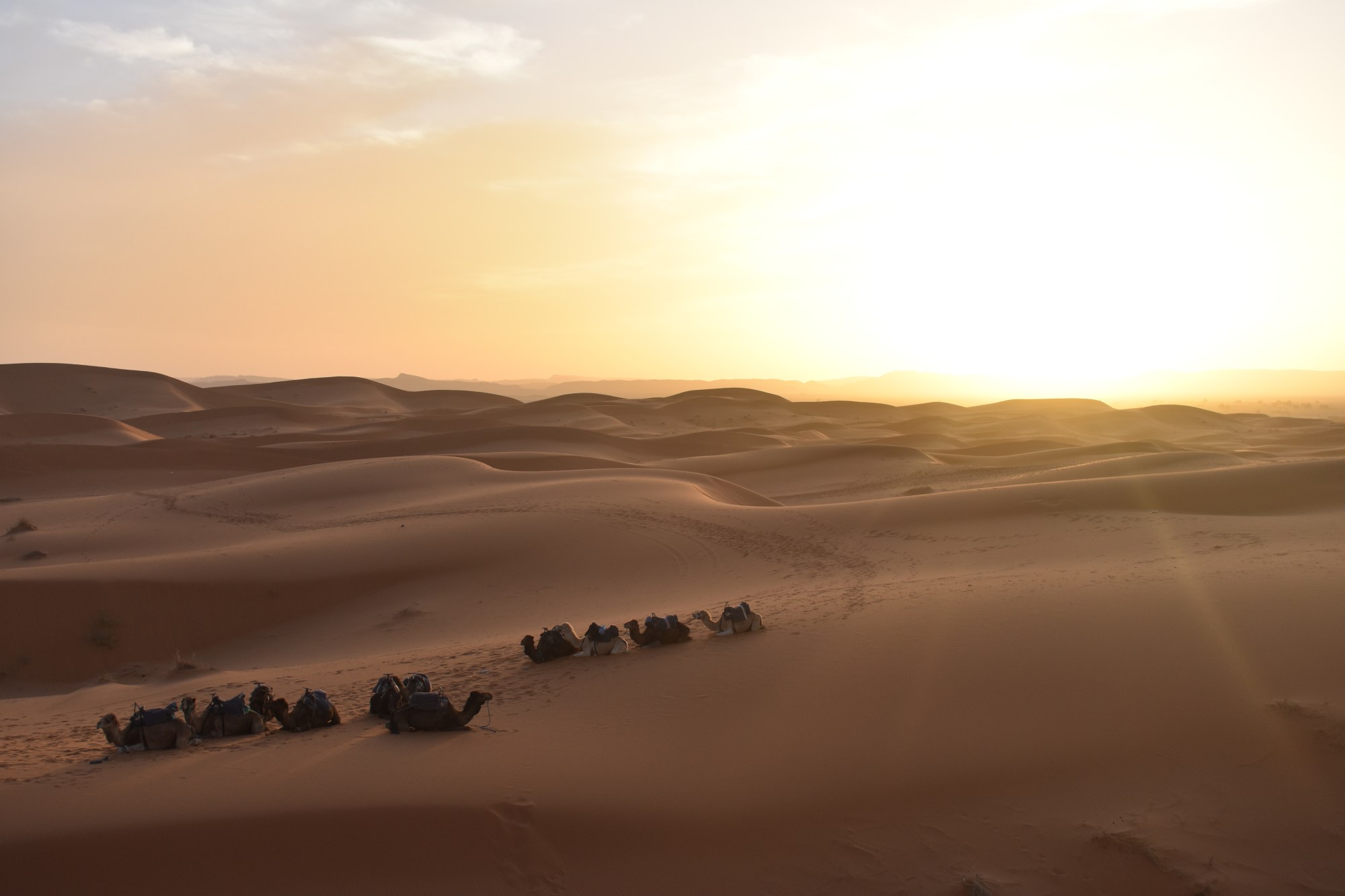
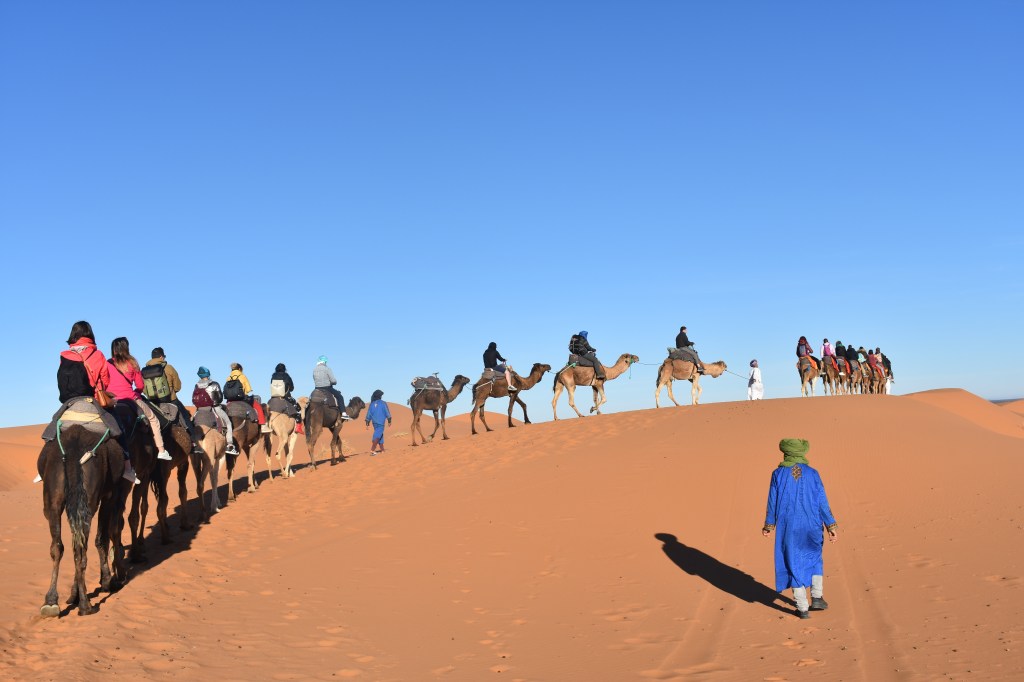
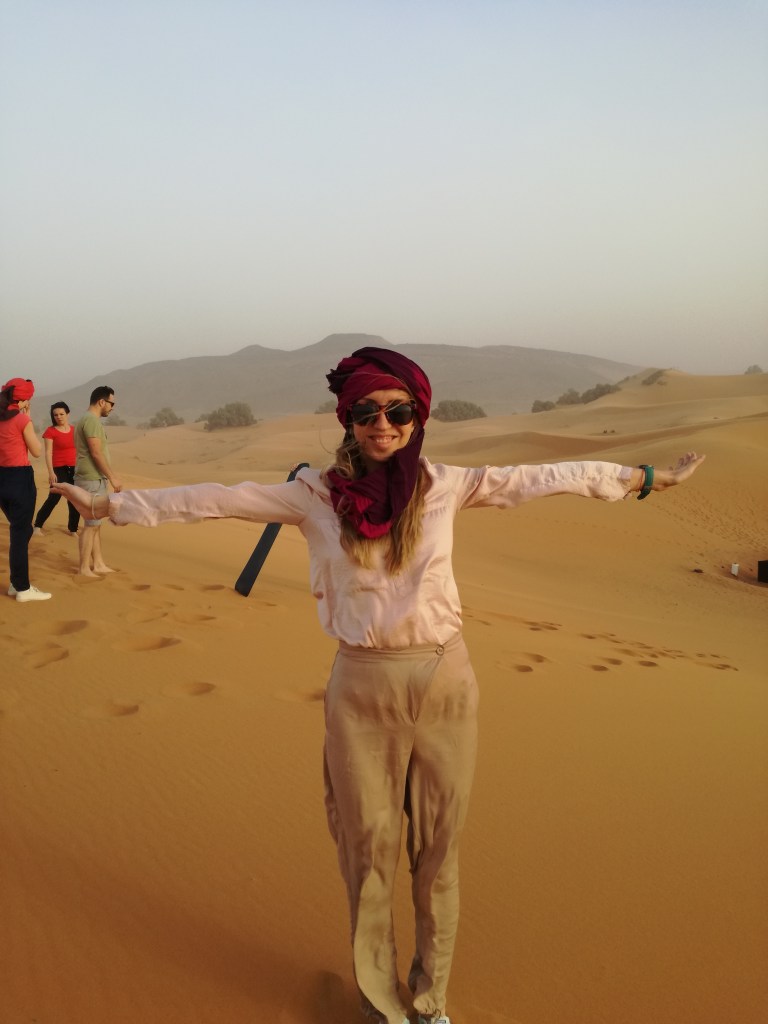
The most incredible part of the trip was the time spent in the desert with Berber people. Before reaching the camp we unmounted the camels to enjoy a beautiful sunset on the sand dunes.

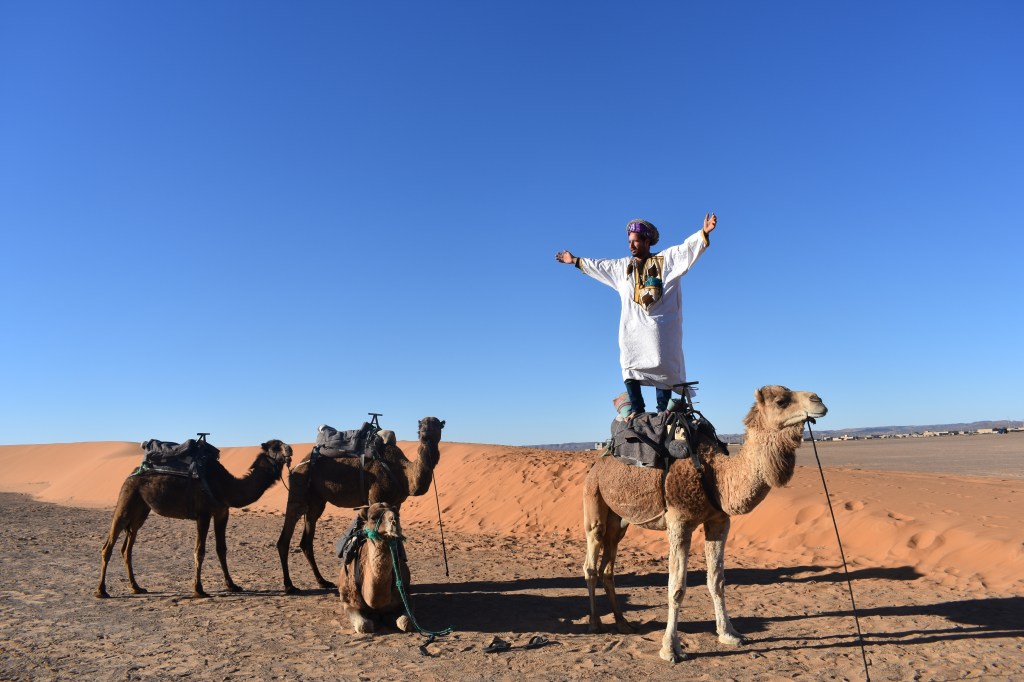
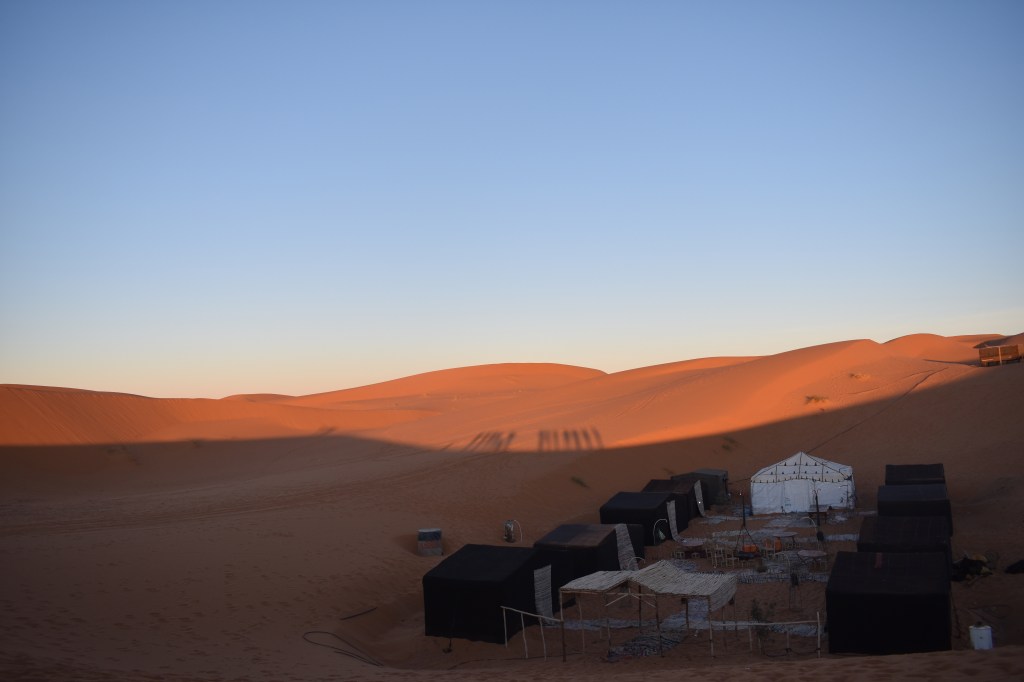
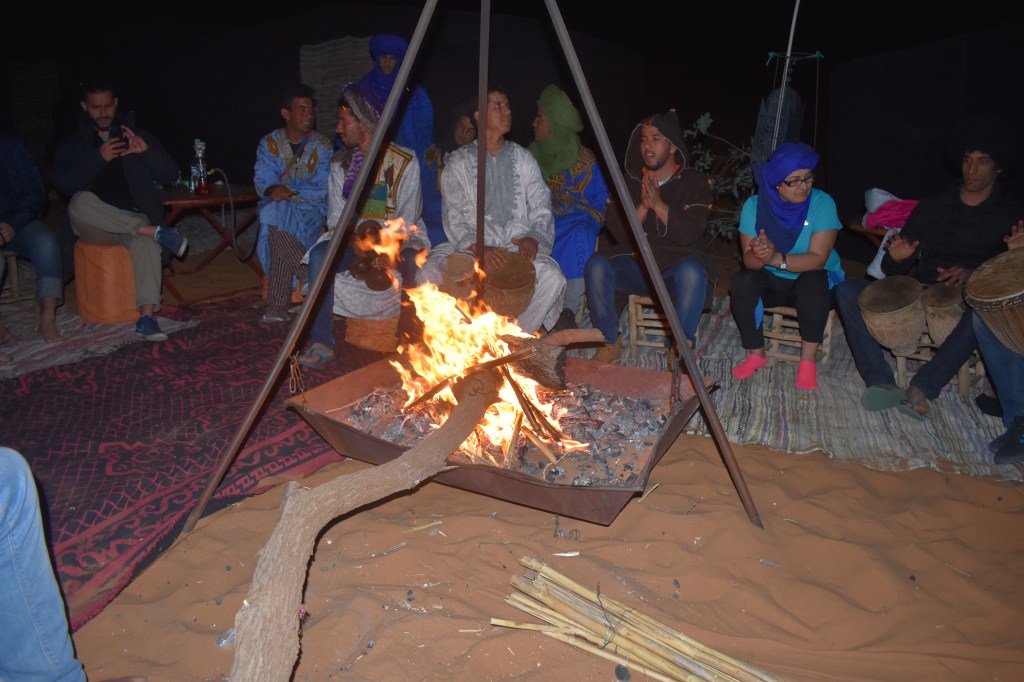
After a delicious dinner in camp, all guests and staff gathered around a campfire. Our hosts really entertained us with their musical instruments, singing and engaging the guests. The desert night sky is absolutely stunning, packed with stars; the constellations and even the Milky Way are very clearly visible since there is no light pollution.
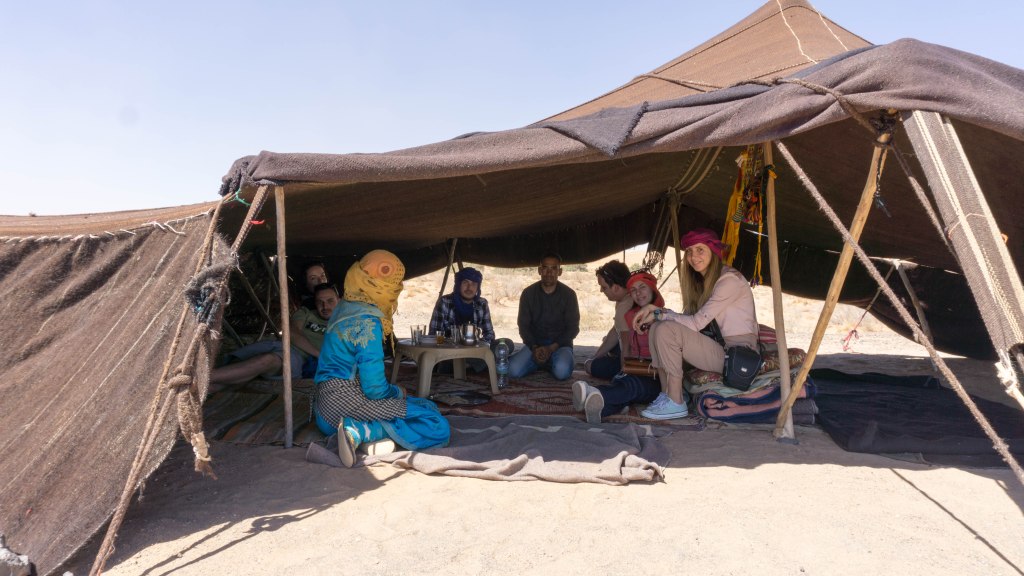
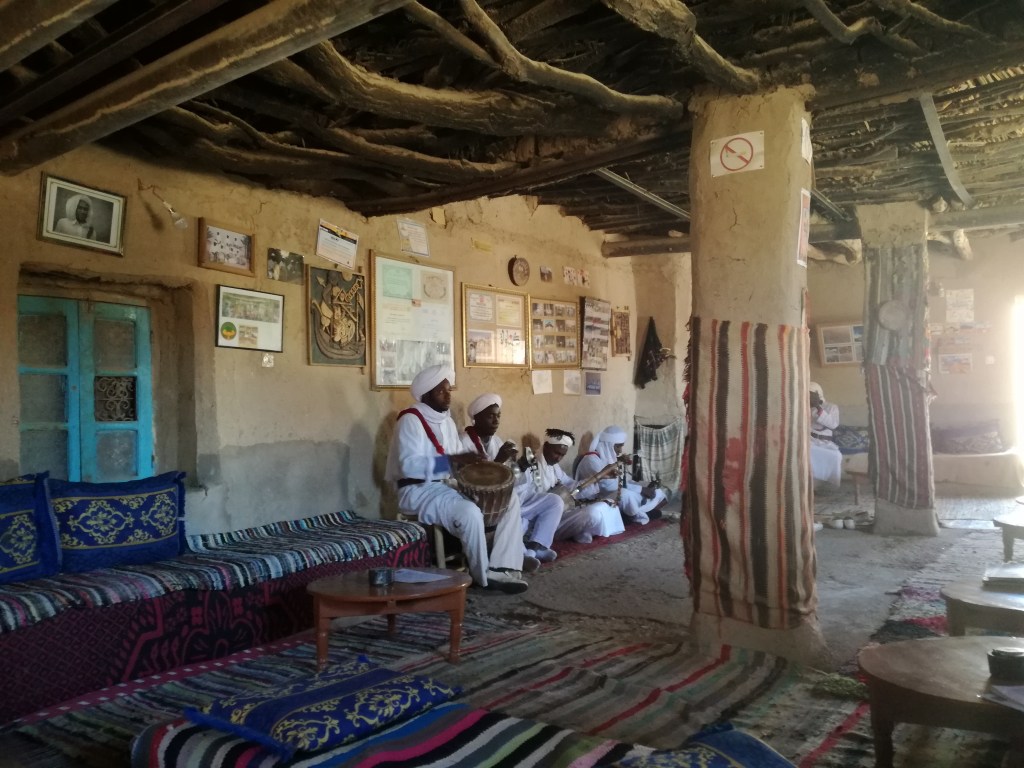
Having witnessed the sunset it made sense to also experience the sunrise. Our daytime activities included a visit to a fossil site, a nomad berber family, a show of live Gnawa music performed by Algerian refugees and an absolutely delicious lunch in a heavenly oasis. To top all of that we had the possibility to sand board the dunes!
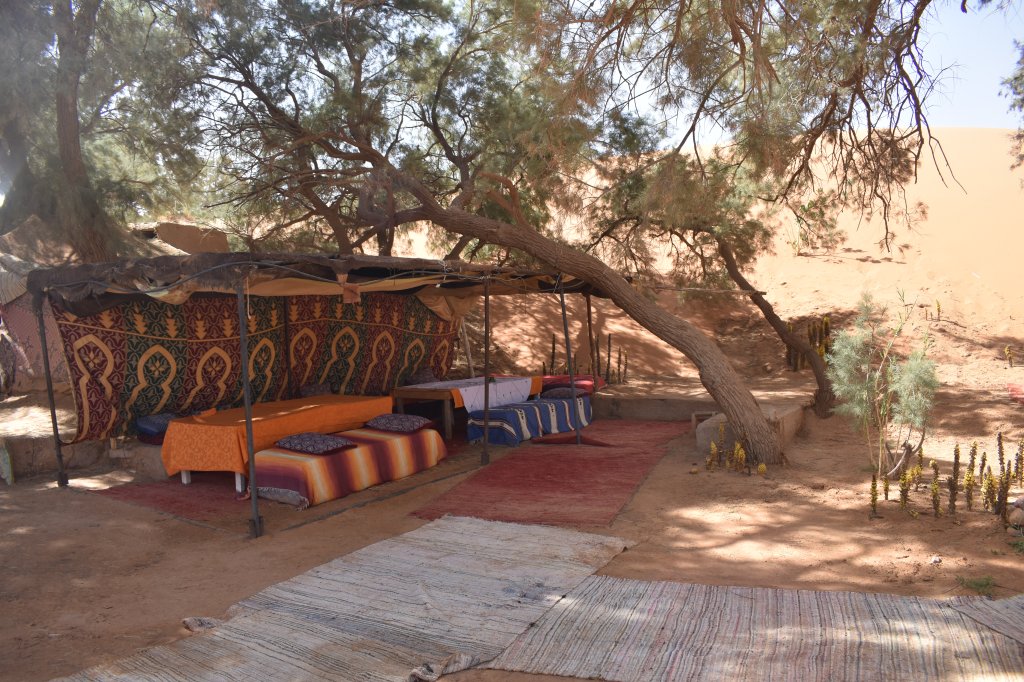
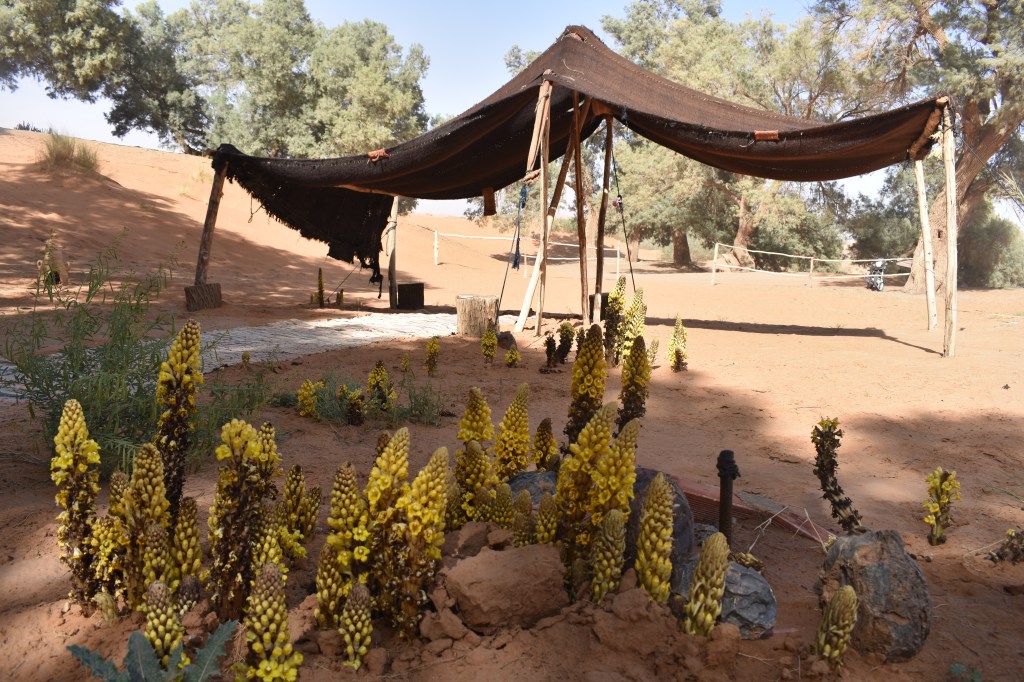
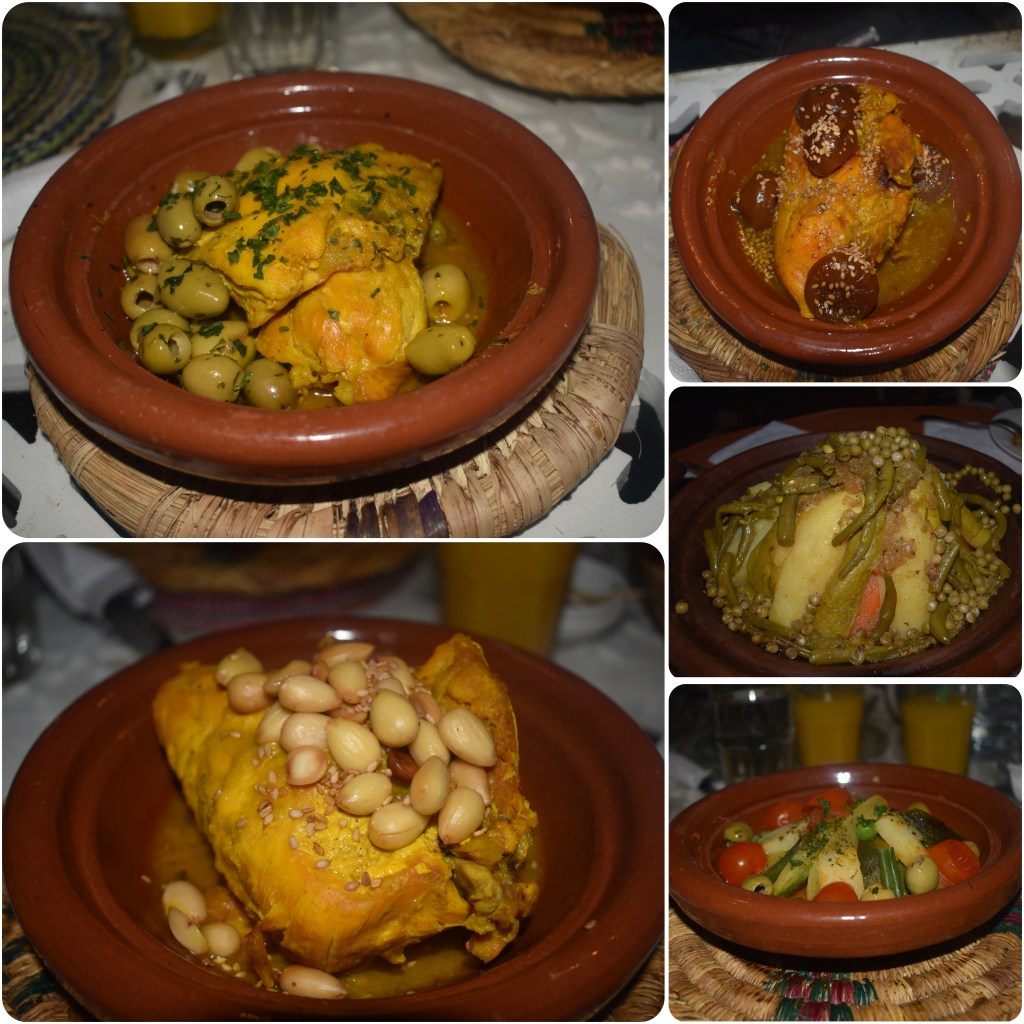
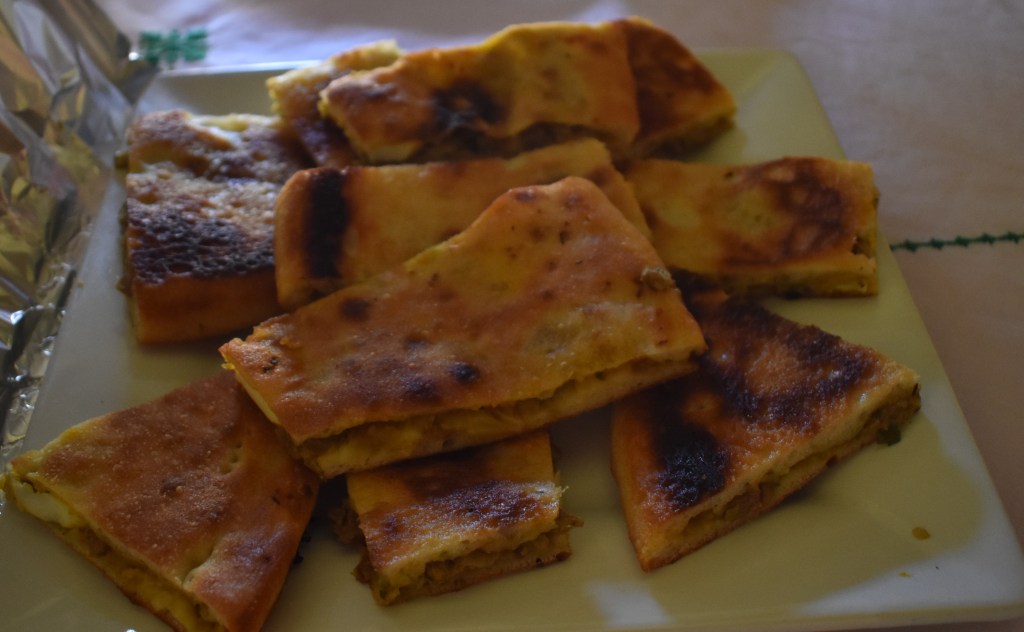
Speaking of food, Moroccan food is rich in herbs and spices and everywhere you will find tajine and couscous. Tajine is a dish that is slowly cooked in a clay pot in an oven with vegetables and either beef, lamb or chicken. In addition, our hosts made us berber pizza which was a delight.
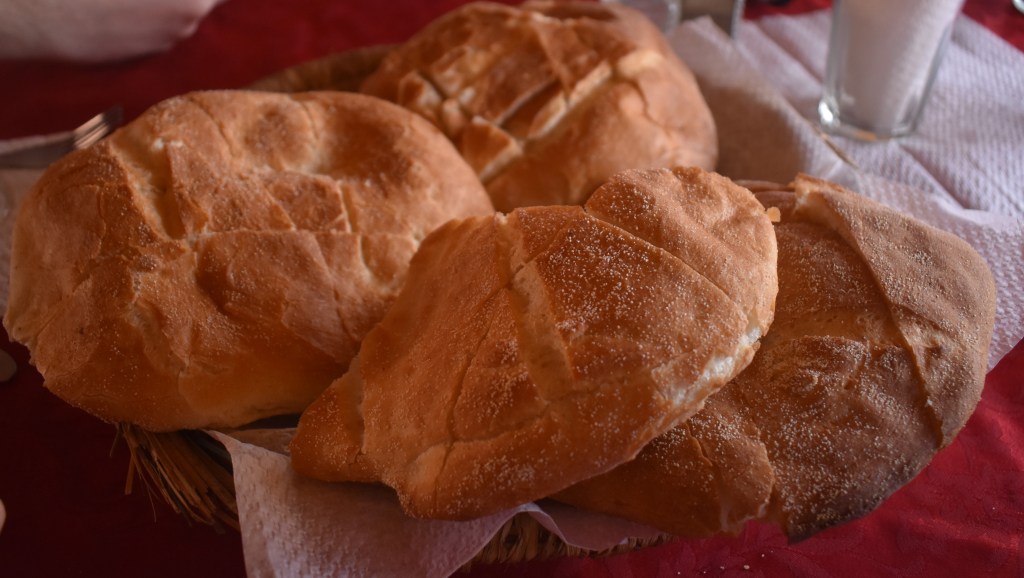
Also, their bread was so tasty we kept asking for more so often that our meal motto was ‘more bread!’ The fact that all seven of us are from Transylvania and we were used to homemade bread while growing up definitely contributed to our “need” for more bread :)).
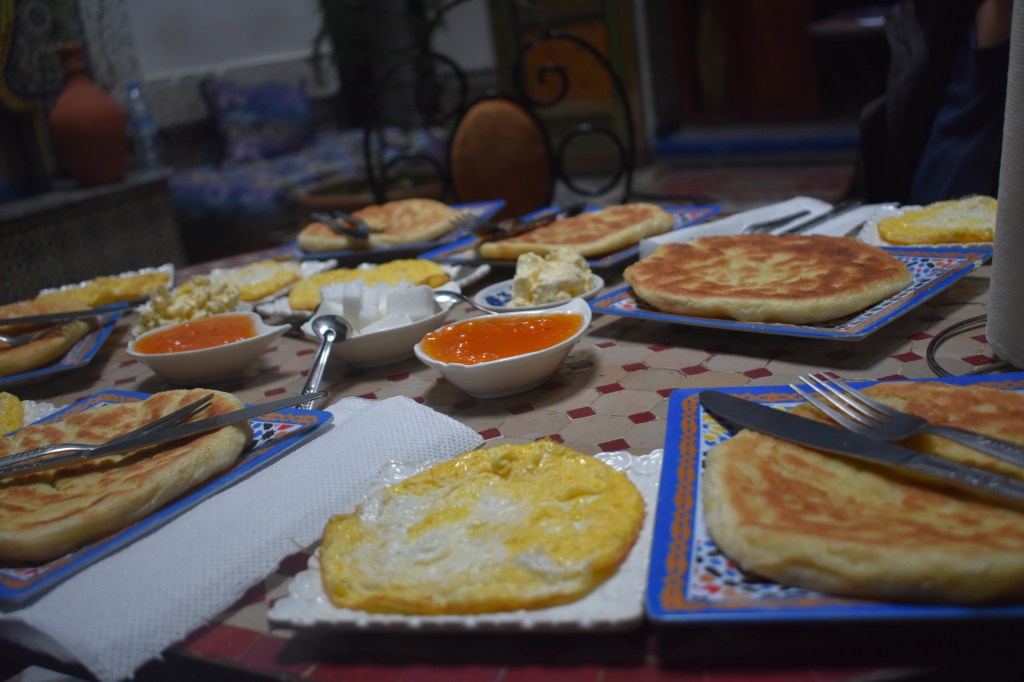
And of course let’s not forget about the pancakes that are one of my favorite dessert no matter if they are crepes, waffles, goffres, poffertjes, beghrir or msemen. The last two are Moroccan traditional, beghrir is spongy, flufy and melt-in-your-mouth, while msemen is a square-shaped pancake with multiple layers, usually served with honey or a cup of mint tea.
The time spent in the desert was an unforgettable experience which exceeded my expectations and was definitely the highlight of our Morocco visit. Would gladly return anytime.
After our second night, just as we were leaving the sand dunes behind, we also got to experience a sand storm which was fully underway. It was amazing to see the contrast of the weather with clear skies just days before.
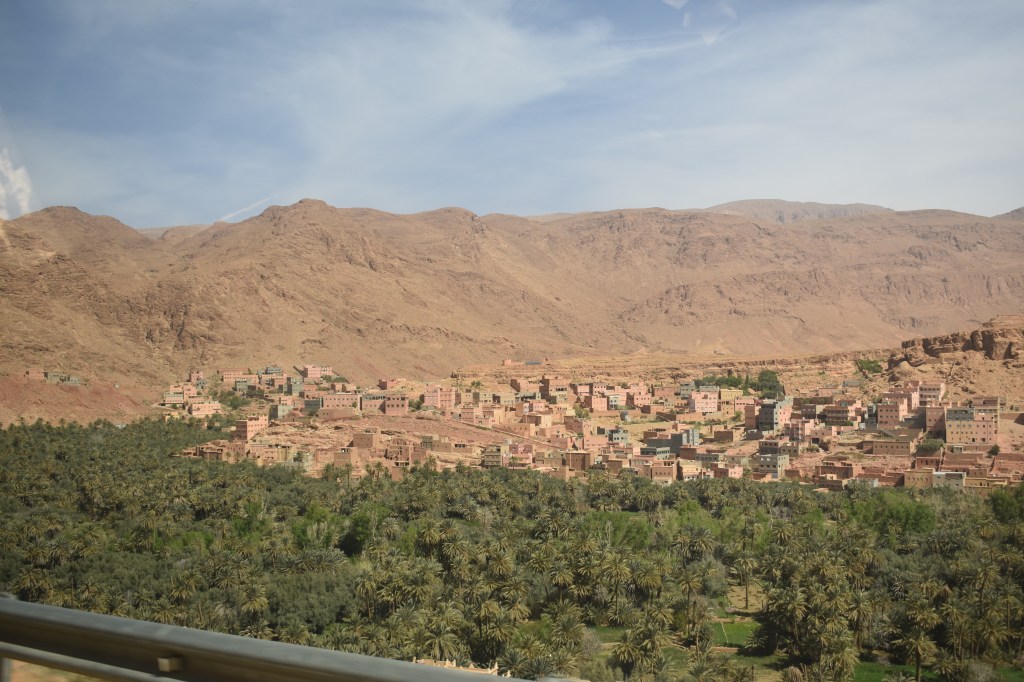
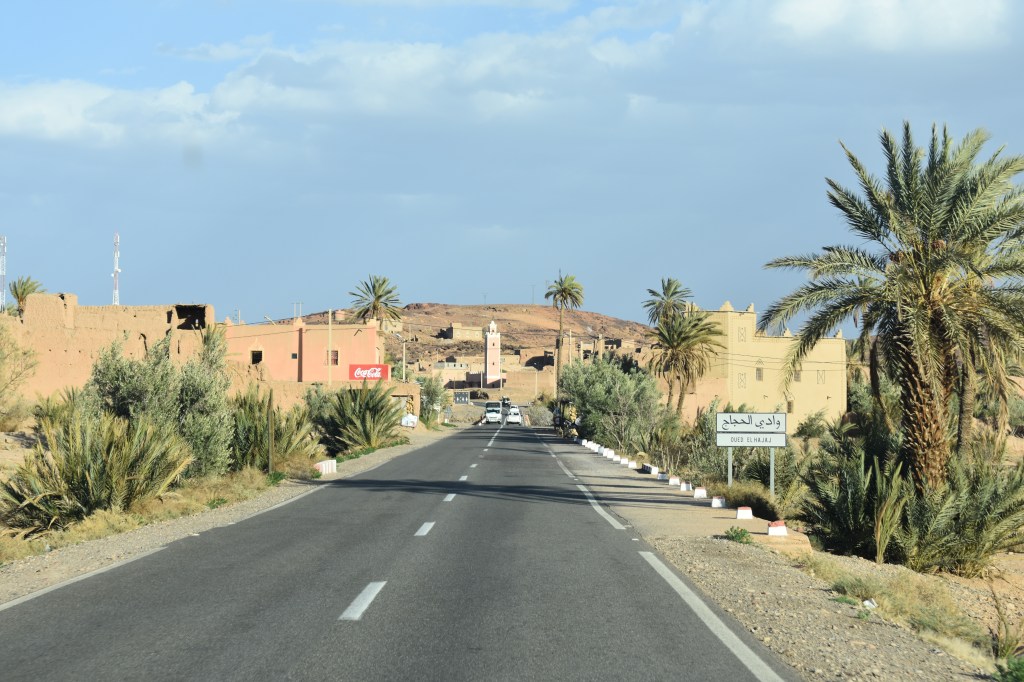
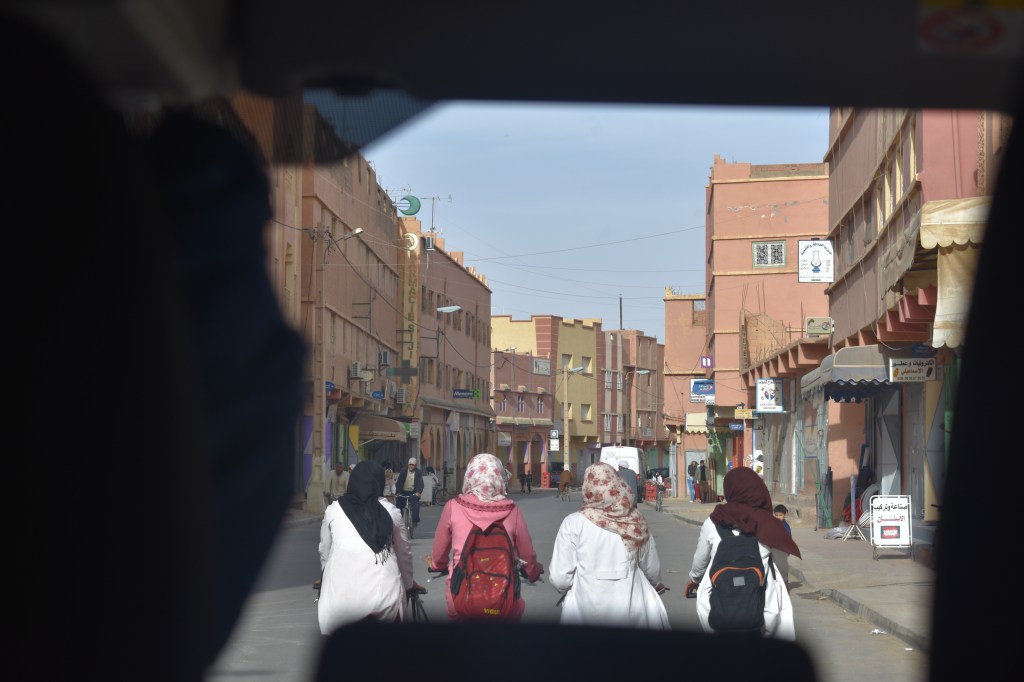
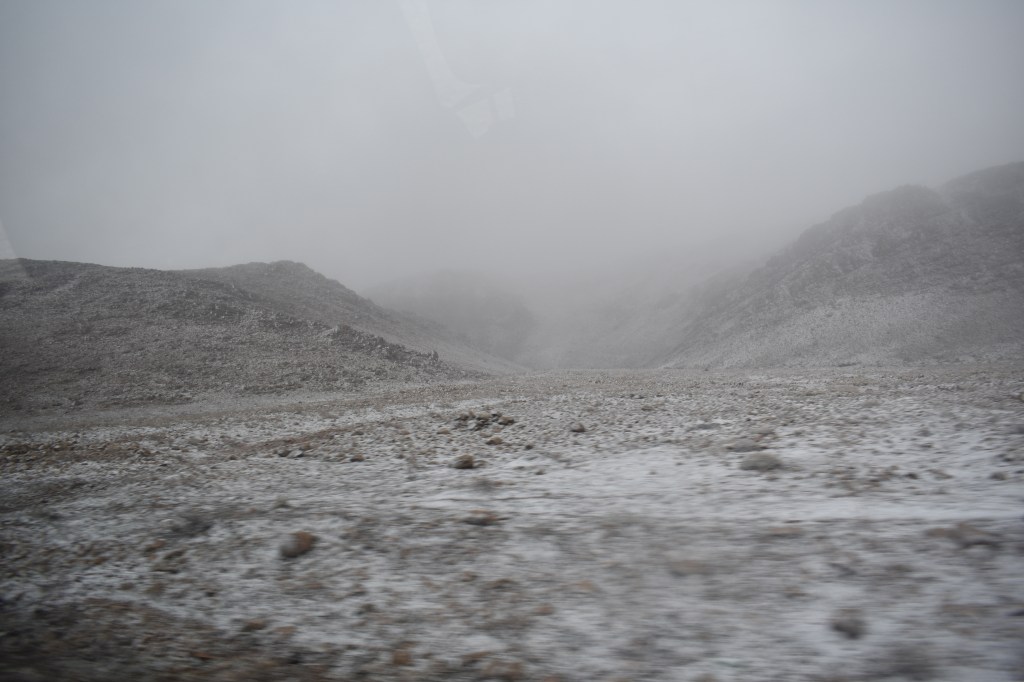
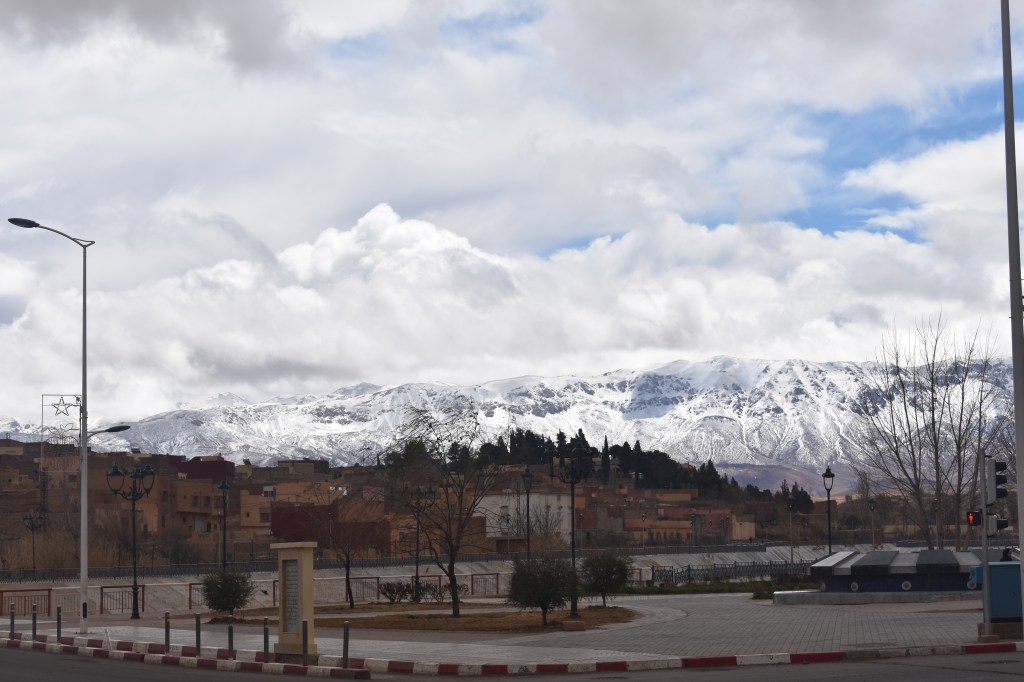
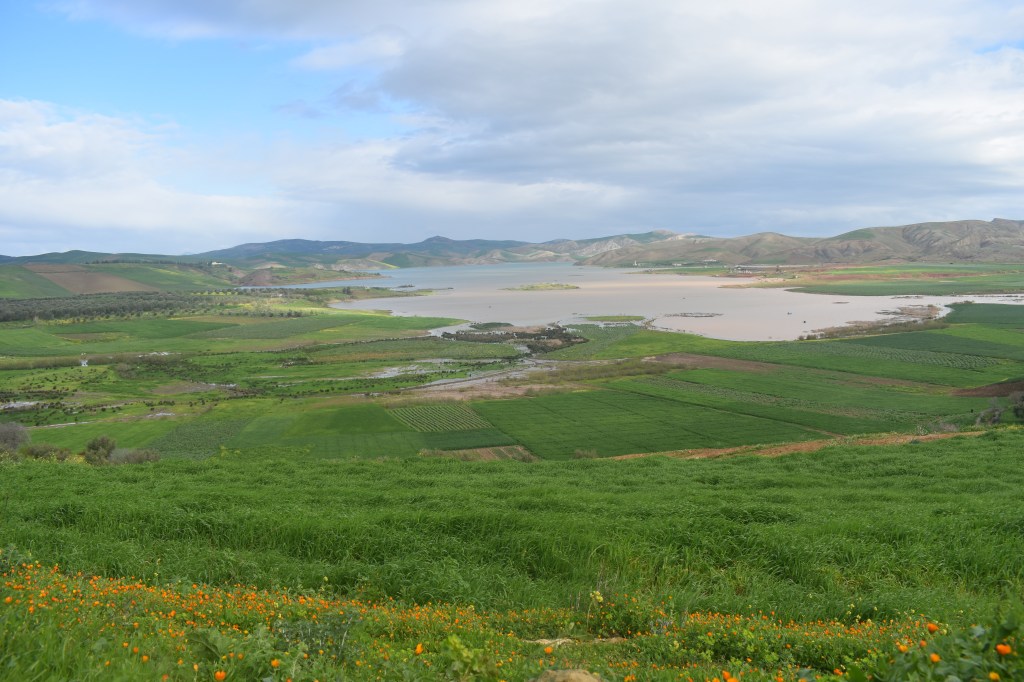
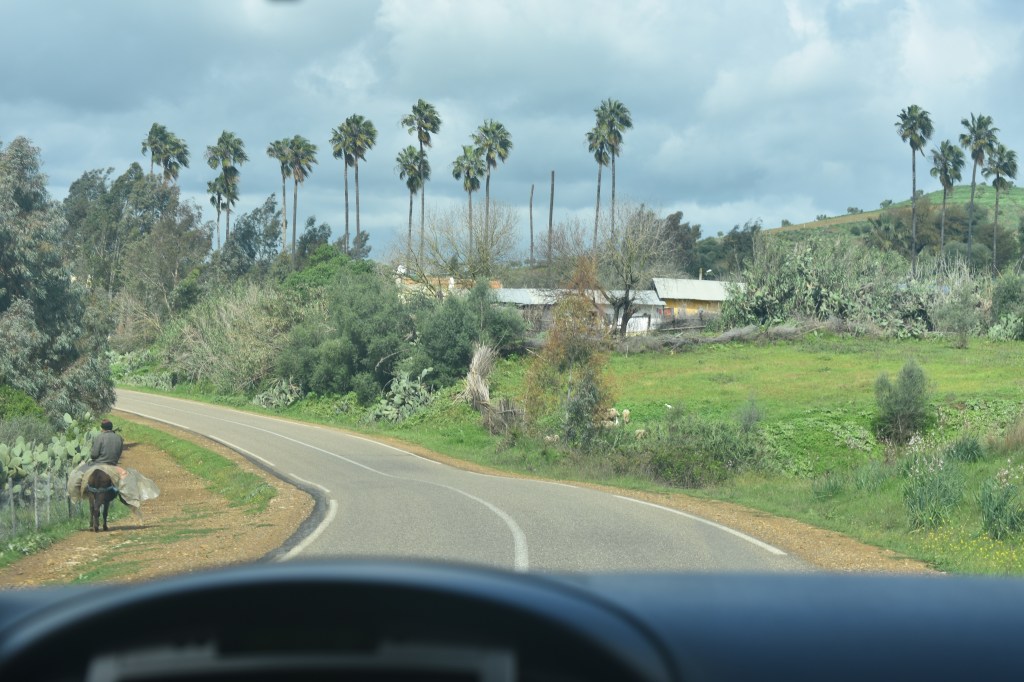
On the road towards Fes we could not believe our eyes when it started snowing! Wait, what? Sand storm in the desert and snow on the same day? YES! And the contradictions didn’t stop there as we gradually saw the climate changing from sand dunes to arid terrain then woods, mountains, lakes, amazing canyons, valleys of palm trees and finally very green arable land.
Fez
The Medina of Fez is considered the largest and oldest urban pedestrian zone. Even nowadays all the supply is done using trolleys or donkeys. The alleyways are so vast and tangled that it is very easy even for some residents to get lost in them.
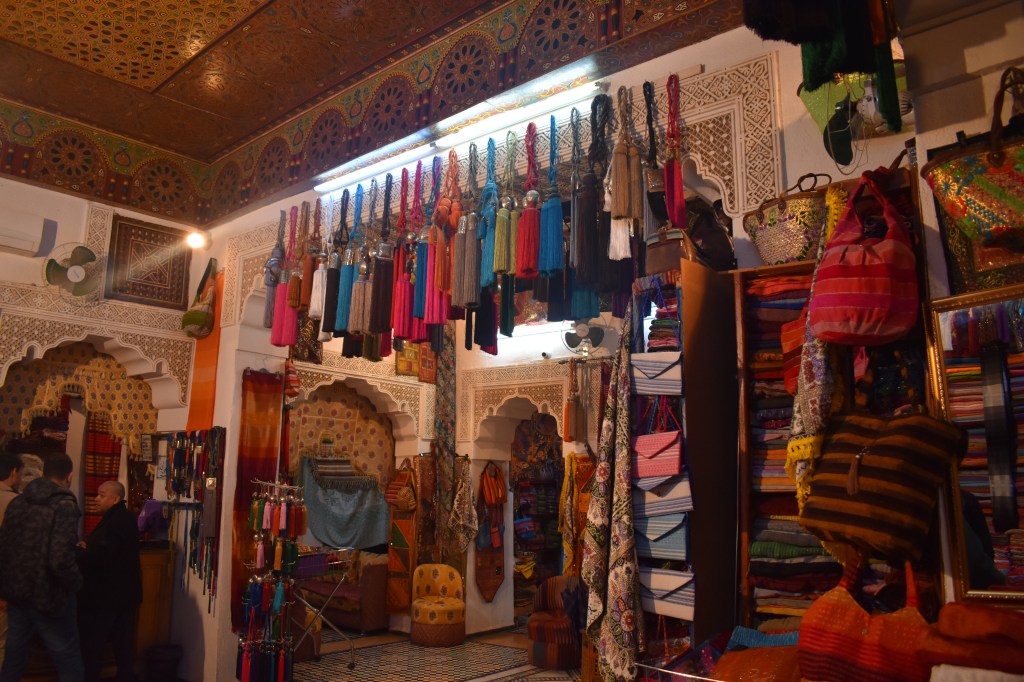

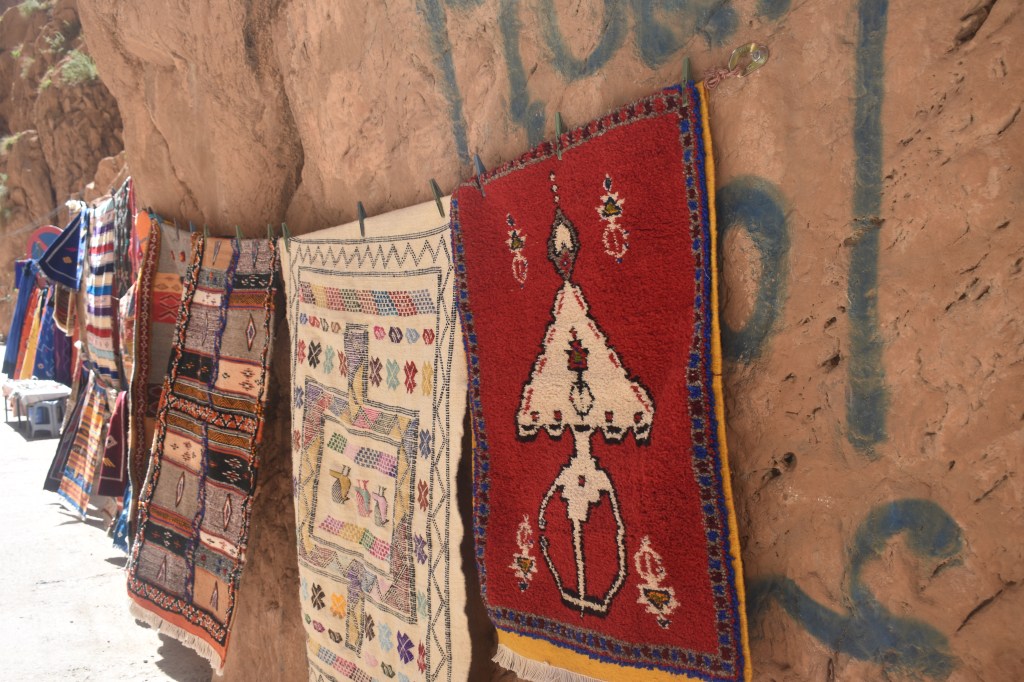
Morocco is famous for their beautiful and coloured carpet production and in Fez you can see lots of shops that sell fabric threads, carpets, pillowcases, curtains and huge rugs. They encourage you to purchase any of their merchandise and if your excuse is that your baggage is limited, they also have the solution: you’ll have the rug shipped with DHL.
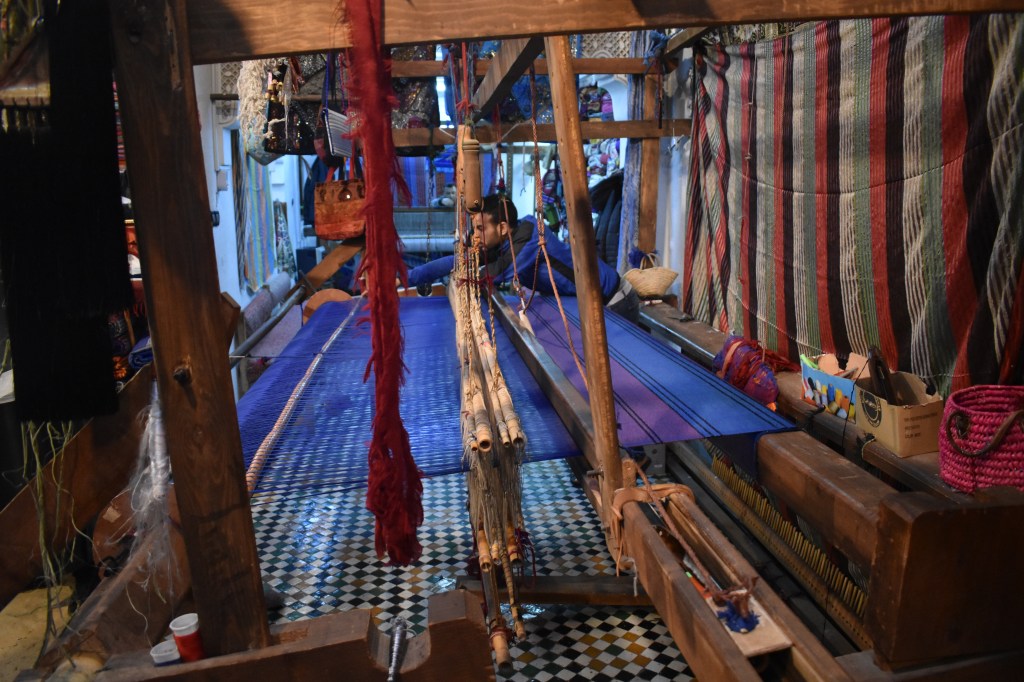
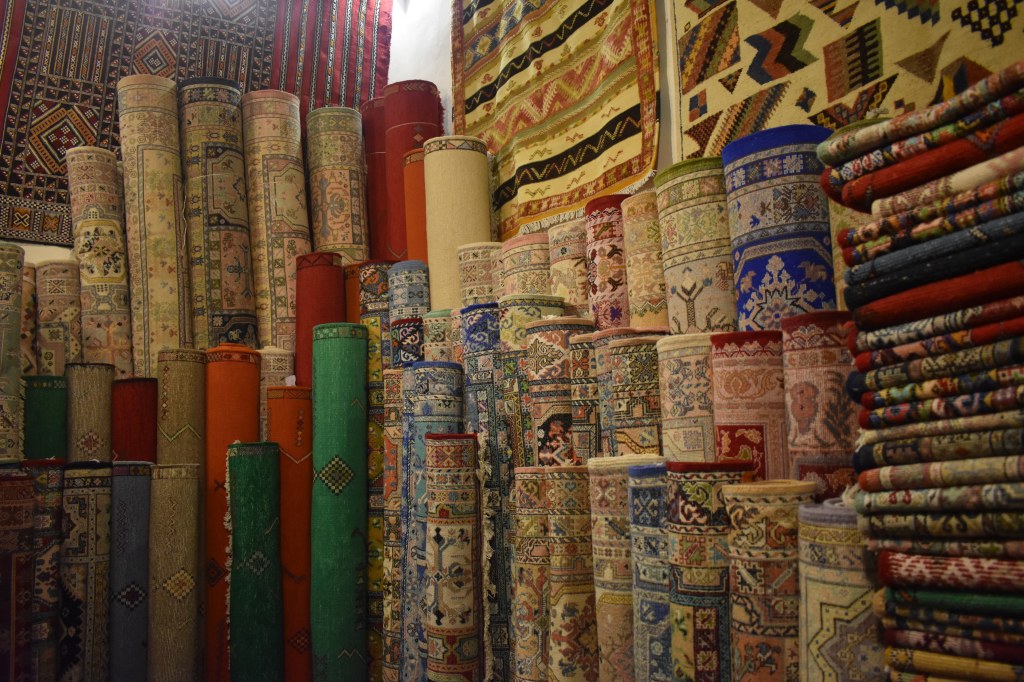
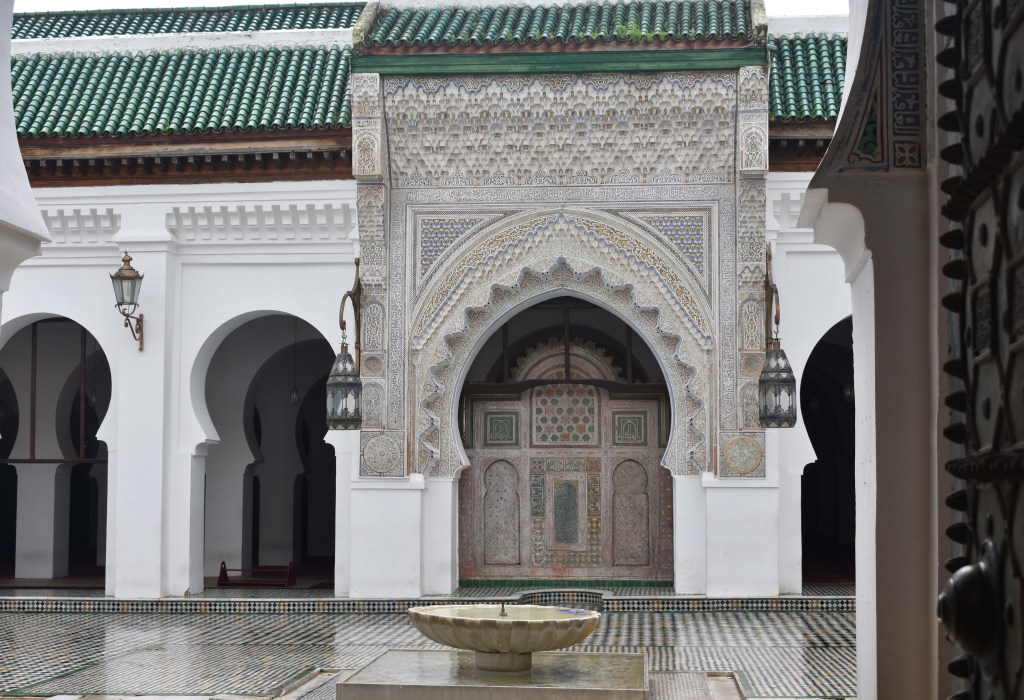
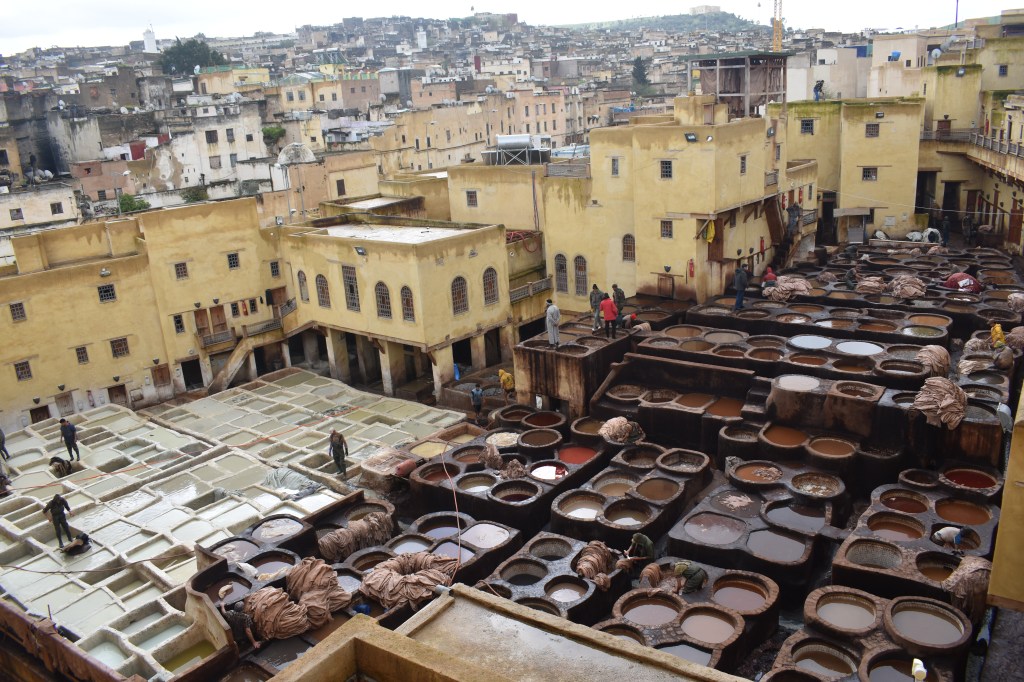
Fez is home of the oldest university in the world, The University of Al Quaraouiyine but most people associate the city with the famous Chouara Tannery. Due to the processes and ingredients used to treat leather, the smell is repelling and strong, so they hand out visitors mint leaves at the entrance

Chefchaouen
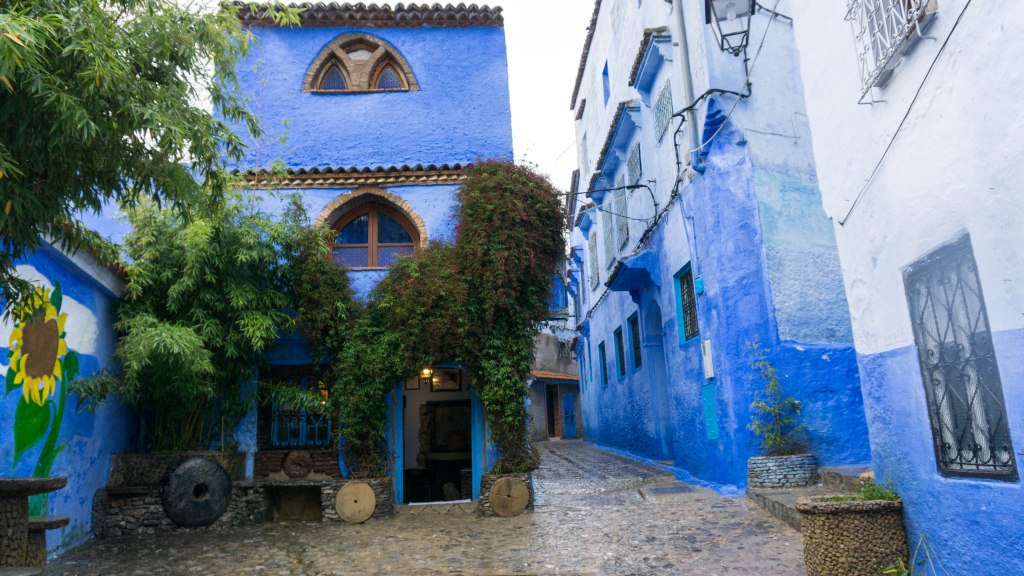
Despite the rainy day, I was very glad that I finally arrived in the much-dreamt town of Chefchaouen, also known as the blue pearl of Morocco. I couldn’t stop taking photos, as each turn unveiled a different shade of blue.
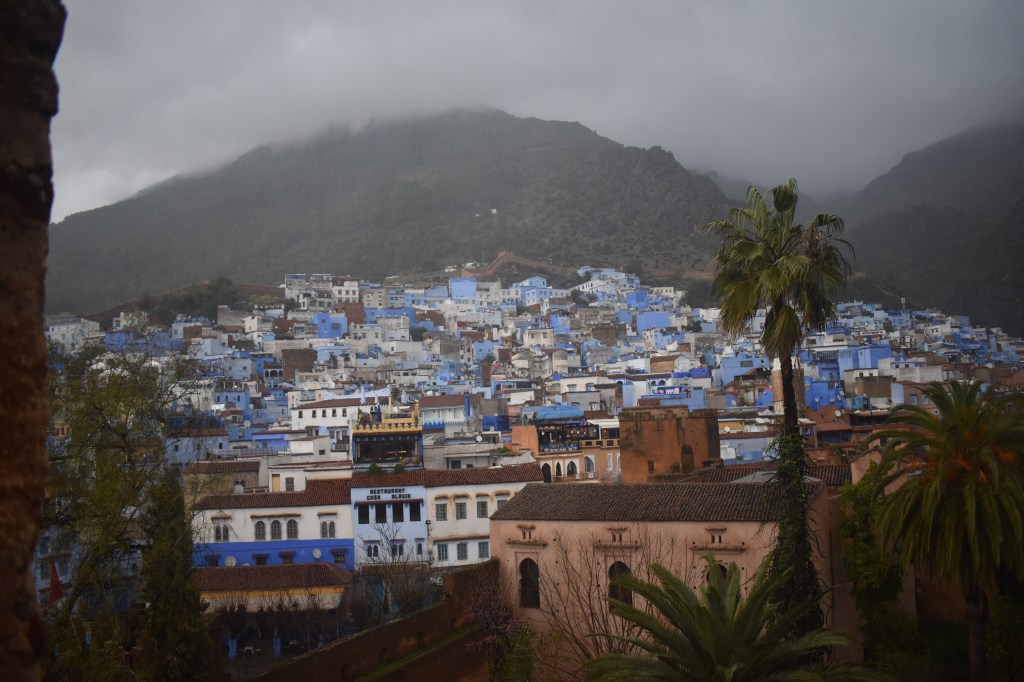
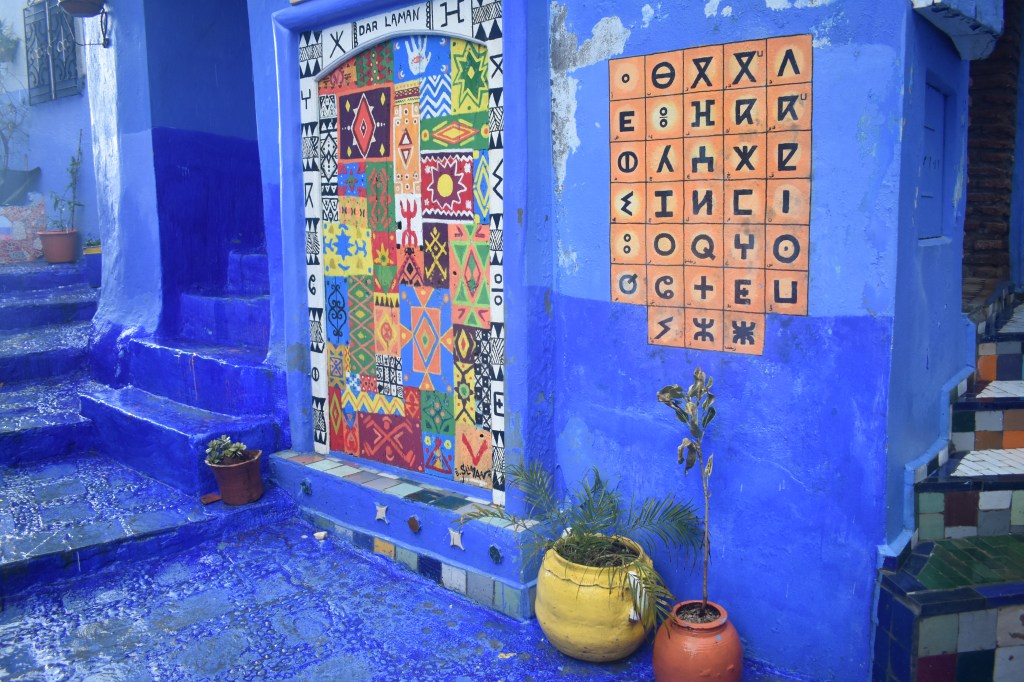

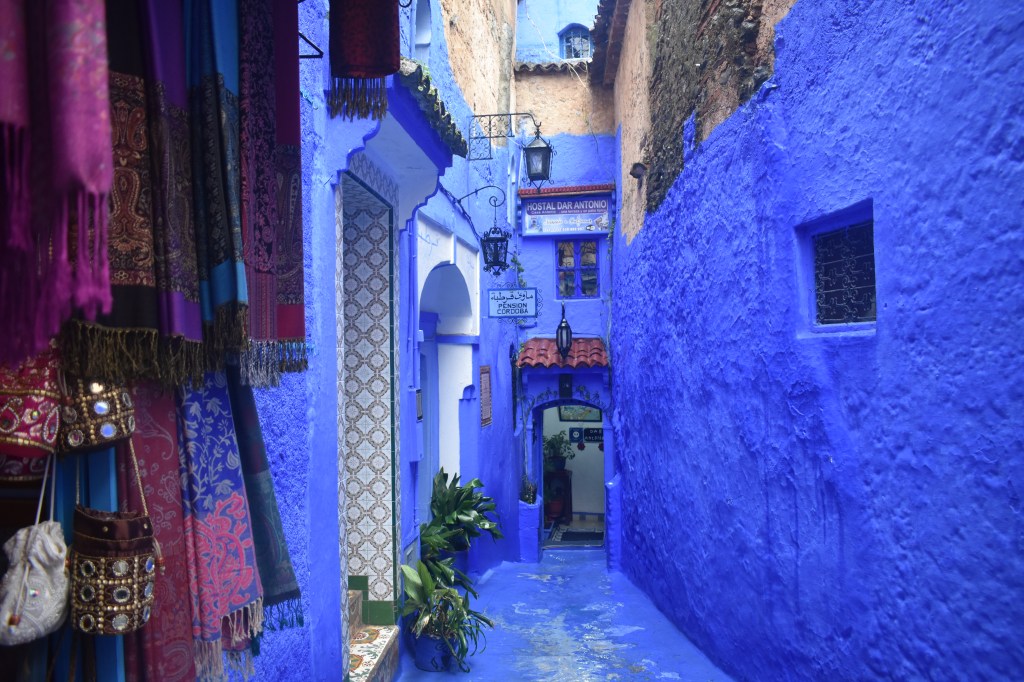
Chefchaouen is much quieter than any other Moroccan town I’ve visited and the people were very welcoming. The Jewish community that settled in Chefchaouen brought along their tradition of painting buildings blue. They believed blue is the color of the sky and divinity so that reminded them of the presence of God. Some people say that the color repels flies and mosquitoes as well, so it was also a practical solution.
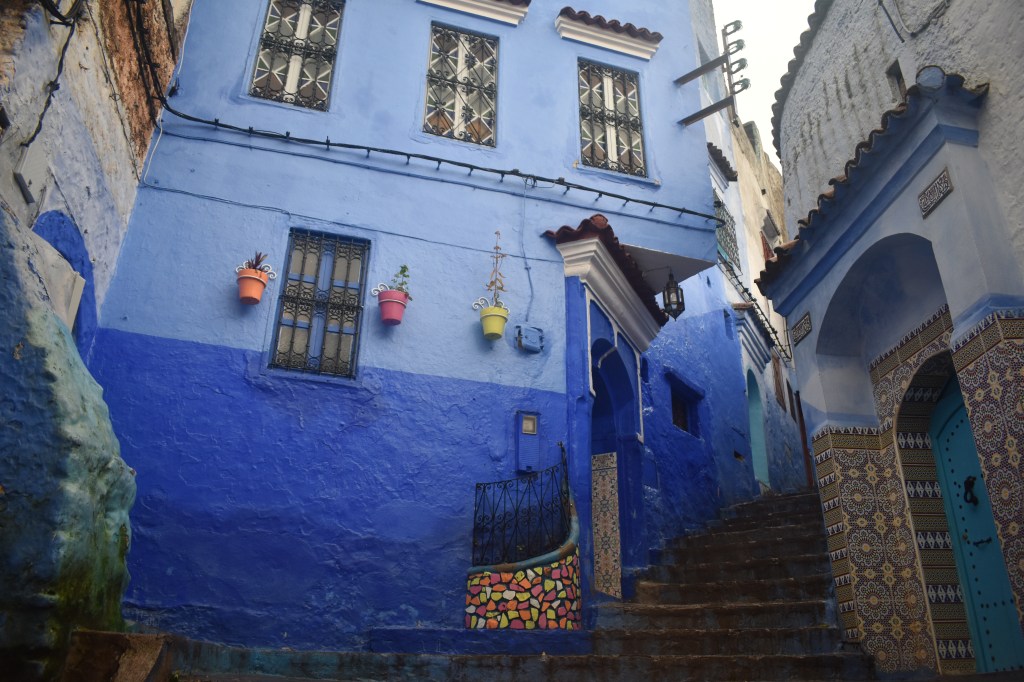
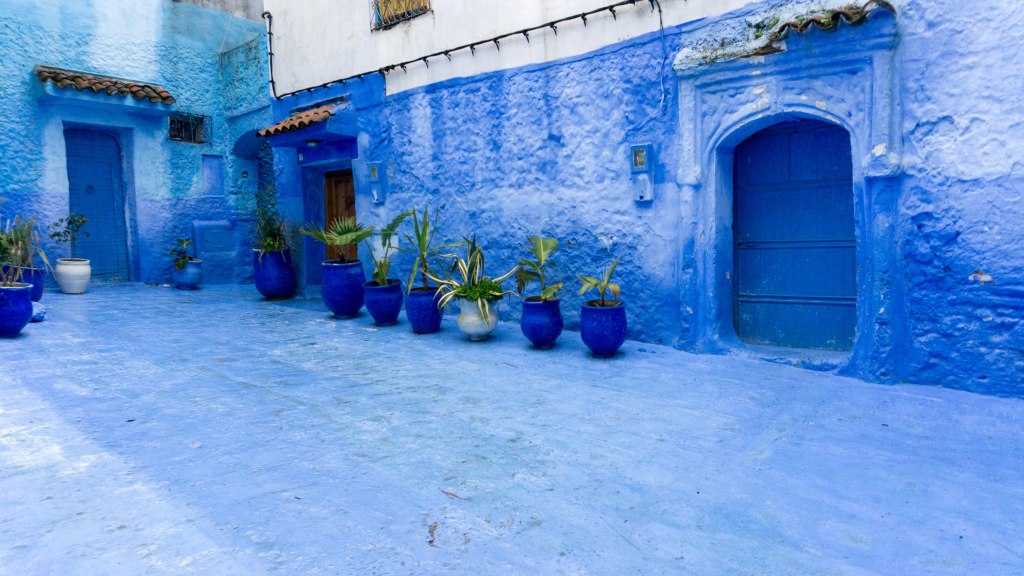
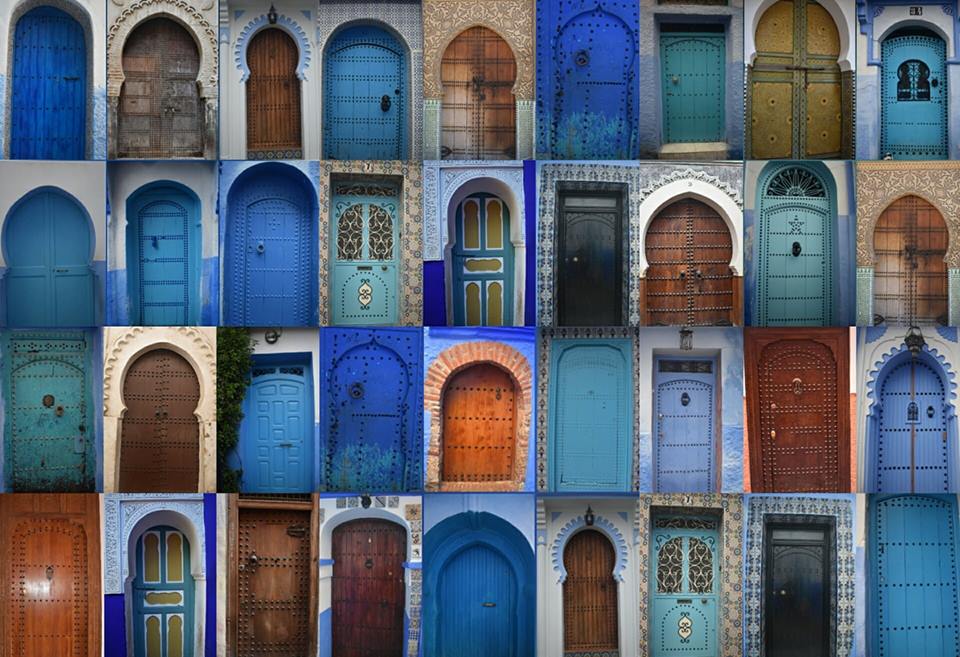
One last thing I want to mention about Chefchaouen are THE DOORS but this is valid for the rest of Morocco. Moroccan doors are colorful, unique and symbolize the Islamic virtue of humility. Also, the door knocker ‘Hand of Fatima’ represent a symbol of protection for the home.
Moroccan identity culture is a mix of Berber, Arab, African and European cultures. It is a great country with lots of diversity, history, and stunning landscapes. It was fascinating to explore it and it is in the top of my favorite countries.
Our trip wouldn’t have been so amazing if we were not accompanied by the awesome guide we had, Hicham. He is a extremely joyful with a good heart. I definitely recommend him if you plan a visit to beautiful country. Can’t wait to return to Morocco on the coastline to visit the remarkable Rabat, Casablanca and Essaouira, of course with the best guide – Hicham!

 TRAVEL JAR